Field Guide · Nº 11
Hyde Park
Austin's original suburb, where 1890s Victorians and craftsman bungalows line walkable, tree-vaulted avenues.
← All neighborhood guides Central Austin · Updated July 2026
The feel of Hyde Park
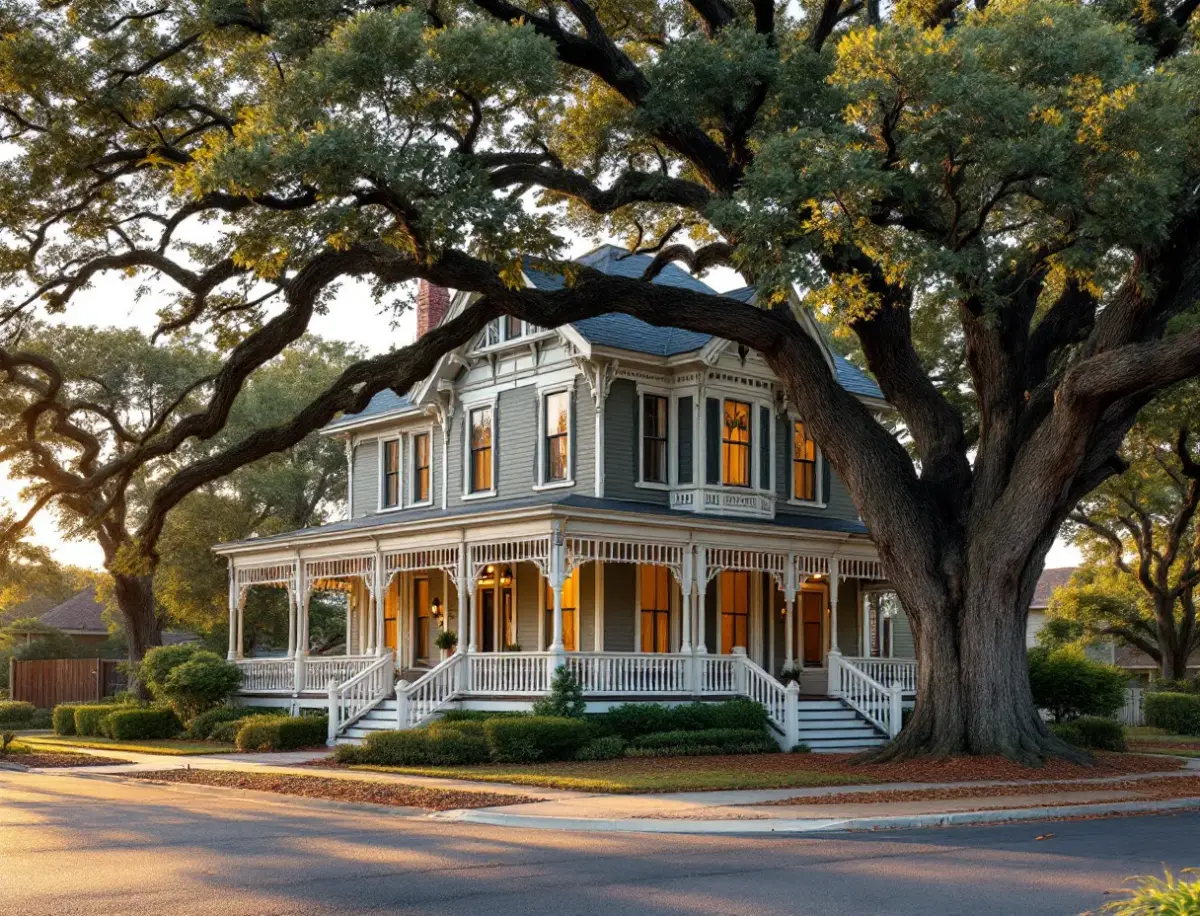
Hyde Park was platted in the 1890s as Austin’s first streetcar suburb, and it still feels like a place built for people rather than cars. The streets run on a tight grid of numbered avenues and lettered streets, canopied by pecans and live oaks that are older than most of the houses — and the houses are old. Queen Anne Victorians sit next to 1920s craftsman bungalows, with the occasional mid-century fourplex marking where the neighborhood absorbed later decades without losing its shape.
What we love telling buyers is that Hyde Park’s icons are not marketing copy. Avenue B Grocery has been selling sandwiches out of the same clapboard building since 1909. Quack’s bakery anchors the 43rd Street strip, the Elisabet Ney Museum sits in the sculptor’s actual 1892 studio, and Shipe Park — with its pool and playground — functions as the neighborhood’s shared backyard. On a Saturday morning you will see the whole life of the place on foot: professors, young families, longtime owners who bought in the 1980s, and graduate students renting garage apartments.
Who does it suit? Buyers who value walkability and character over square footage, who want central Austin without a downtown high-rise, and who are honest with themselves about owning a 90-year-old house. Who should think twice? Anyone who needs a three-car garage, a big flat backyard, or a home they’ll never have to maintain. Hyde Park asks something of its owners. Most of them consider that the point.
Schools
Hyde Park is Austin ISD, and the standard feeder pattern is Lee Elementary, Kealing Middle School, and McCallum High School. Lee has a loyal neighborhood following, Kealing is well known for its magnet program (admission to the magnet track is separate from neighborhood enrollment — worth understanding before you count on it), and McCallum draws students citywide for its fine arts academy.
The honest picture: AISD as a district has faced enrollment declines and budget pressure for years, and individual campus experiences vary more than headline ratings suggest. Several private and parochial options sit nearby, and some families use them. We recommend touring campuses rather than relying on rating sites — and we’ll always verify current attendance zones for a specific address, because AISD boundaries do get redrawn.
The commute
This is one of Hyde Park’s quiet superpowers. Downtown is 10–15 minutes via Guadalupe, Lamar, or Red River, and the University of Texas is close enough that plenty of residents bike or walk to campus. If you work at the med school or the Capitol complex, few neighborhoods beat it.
Heading north, the Domain and the tech employers along Burnet and MoPac are 15–20 minutes in normal traffic — the Domain is an easy reverse-commute run up Burnet Road. The catch is that Hyde Park’s interior streets are deliberately slow, and getting to MoPac or I-35 means a few minutes of surface streets first. Airport runs take 20–25 minutes most of the day.
Property taxes and historic district rules
Effective property tax rates in Hyde Park generally land around 1.8–2.0% of market value — city of Austin, Travis County, AISD, and Central Health, with no MUDs anywhere in central Austin. Owners of contributing historic structures can pursue a City of Austin historic exemption in some cases, which is worth investigating on landmark-designated properties.
The bigger ownership consideration is regulatory. Much of the neighborhood sits inside the Hyde Park Local Historic District — the first local historic district Austin ever designated — plus National Register districts. Practically, that means exterior changes visible from the street (additions, window replacements, demolition, even some fencing) require a Certificate of Appropriateness and review by the Historic Landmark Commission. It protects the value of what you’re buying, but it also means your renovation timeline includes design review. We walk buyers through what a specific property’s designation does and doesn’t allow before they write an offer, because the difference between a contributing and non-contributing structure meaningfully changes what you can do with the house.
What you’ll find
The housing stock is the neighborhood: 1890s–1910s Victorians and folk-Victorian cottages, 1920s–1930s craftsman bungalows with deep porches and pier-and-beam foundations, and scattered postwar cottages and small multifamily buildings from the era before zoning tightened. Lots typically run small — many under 7,000 square feet — and detached garages or garage apartments (a Hyde Park signature) stand in for the suburban three-car bay.
Per Redfin and Zillow public market data as of mid-2026, Hyde Park’s median sale price sits in the mid-$700Ks, with the realistic band running roughly $600K for smaller original-condition bungalows and condos up to $1.4M+ for fully renovated or larger homes on premium blocks — verify current, as central Austin pricing has been choppy. Renovated homes command a real premium here because the historic review process makes renovation slower than elsewhere. Condition varies enormously: some bungalows have been meticulously updated, others haven’t seen a permit since the Johnson administration. A thorough inspection — foundation, plumbing, knob-and-tube electrical — matters more in Hyde Park than almost anywhere we work, and it’s where experienced representation earns its keep. Buyers weighing old-house charm against newer construction often compare Hyde Park with Mueller just to the east, which offers new-urbanist walkability without the 1920s maintenance list — or with East Austin, where the bungalow stock is similar but the regulatory overlay is lighter.
The local's list
What we tell clients after the paperwork's signedGreen space & trails
- Shipe Park and Pool — the neighborhood's shared backyard; the small seasonal pool has anchored Hyde Park summers since the 1930s
- Elisabet Ney Museum grounds — the sculptor's 1892 studio sits in restored prairie along Waller Creek; the lawn is a quiet reading spot
- Hancock Golf Course — nine holes dating to 1899 on the neighborhood's eastern edge, one of the oldest courses in Texas
Eat & drink
- Quack's 43rd Street Bakery — from-scratch cakes and coffee; the Mexican chocolate cookie has its own following
- Avenue B Grocery — sandwiches out of the same clapboard store since 1909; it's open when the V-for-Victory light is on
- Antonelli's Cheese Shop on Duval — cut-to-order cheese with tastings at the counter, the picnic stop before Shipe Park
- Asti Trattoria — Duval Street's neat little Italian room, the neighborhood's walk-to date night
Only-here bonuses
- First Light Books on 43rd — bookshop and coffee counter that has become the morning gathering spot
- The Elisabet Ney Museum — city-run with no admission charge, and worth repeat visits
- The neighborhood association's annual historic homes tour — Hyde Parkers open their Victorians and bungalows to the street
See it in person
Walk Hyde Park with us
An hour on the ground tells you more than a week online. We'll show you the streets that fit your life — and tell you which ones don't.
Prefer to talk first? Call (512) 537-8623 or email contact@raresidential.com.
Keep exploring
If you like Hyde Park, also look at
Mueller
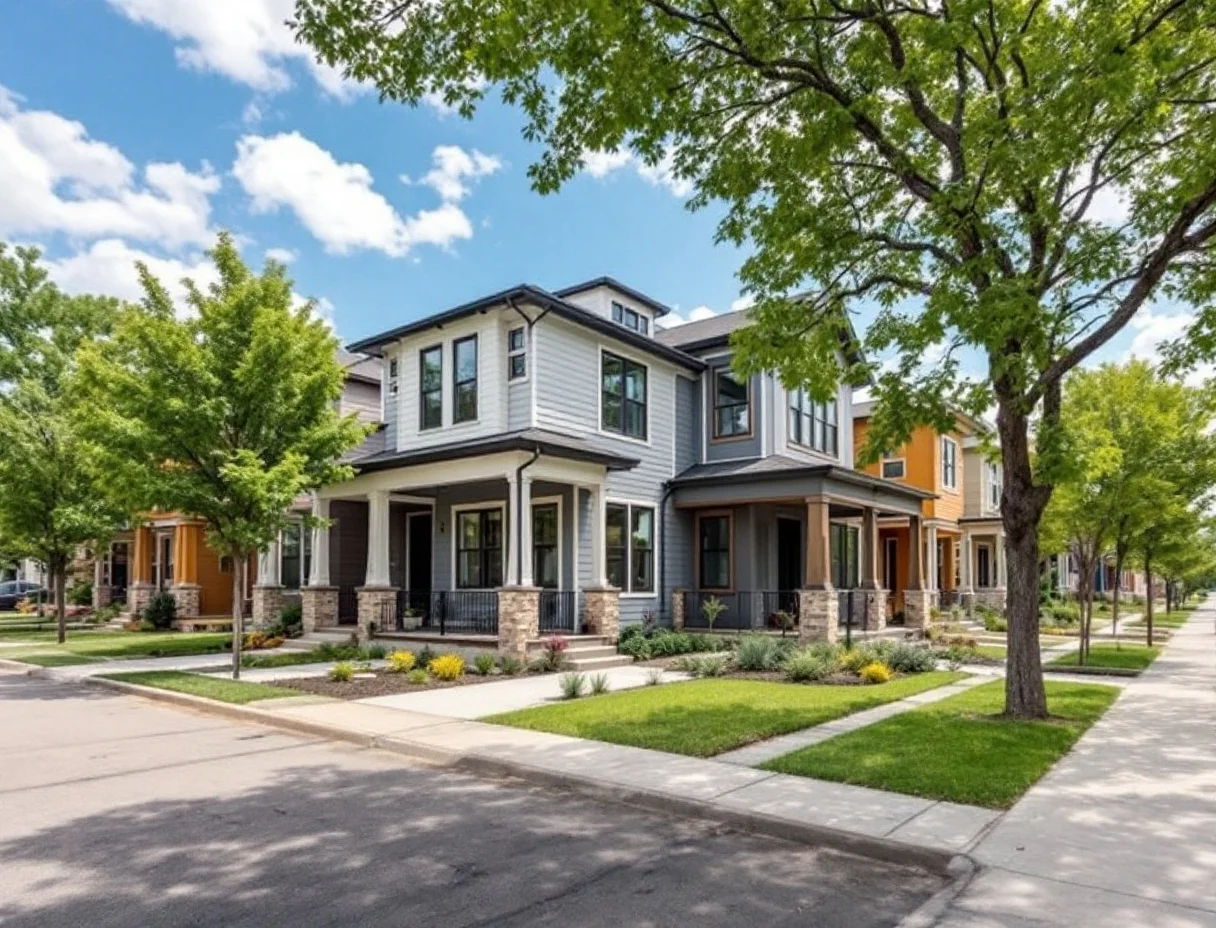
A whole neighborhood designed on purpose — front porches, pocket parks, and a lake where runways used to be.
East Austin
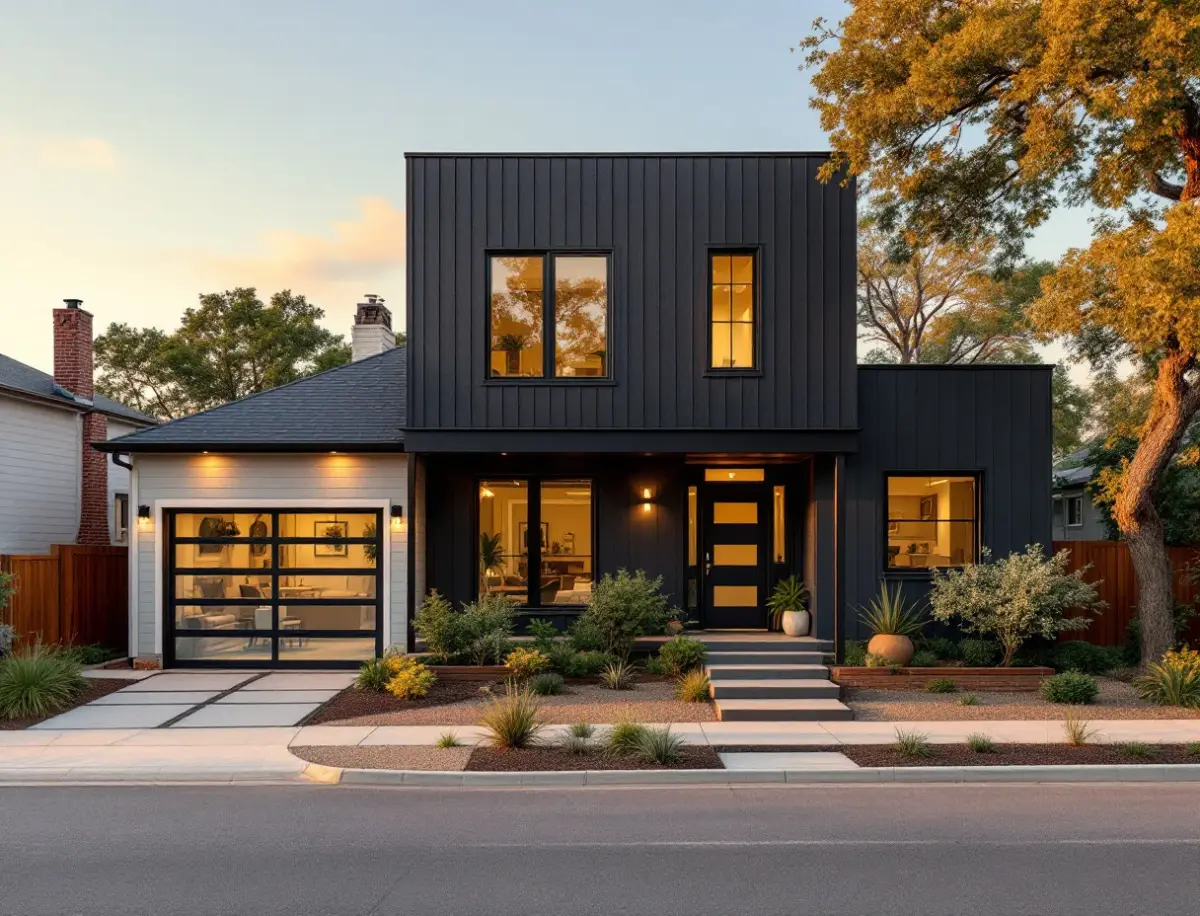
The fastest-changing square miles in the city — creative, contested, and closer than anywhere.
Tarrytown & Clarksville
Old-money West Austin — lake access, legacy oaks, and the shortest luxury commute in the city.