Field Guide · Nº 09
East Austin
The fastest-changing square miles in the city — creative, contested, and closer than anywhere.
← All neighborhood guides Central Austin · Updated July 2026
The feel of East Austin
No part of Austin has changed faster in the last twenty years than the blocks east of I-35, and no honest guide pretends otherwise. What was a working-class district of 1920s–40s bungalows is now the city’s creative center of gravity: James Beard-nominated restaurants on East 6th and East Cesar Chavez, natural wine bars on Webberville Road, coffee roasters, galleries, and music venues threaded between houses that have stood for a century. Franklin Barbecue put the neighborhood on national television; Nixta, Birdie’s, and a dozen others have kept it there.
The change has been lucrative for owners and hard on longtime residents — prices that tripled in a decade pushed out many families with deep roots here, and rising tax bills continue to pressure those who stayed. We say that plainly because you’ll feel it when you live here: East Austin is a neighborhood mid-transformation, with genuine warmth and genuine tension, murals and construction fencing on the same block. Buyers who thrive here tend to engage with the neighborhood as it actually is, not as a backdrop.
Geography matters enormously. Holly and East Cesar Chavez, near the lake and the Festival Beach trail, are the most polished and priciest. East 6th and the Plaza Saltillo area are the densest and loudest, anchored by the rail station and new office buildings. Chestnut, Cherrywood, and the blocks off Manor Road feel more settled and residential, with Cherrywood in particular quietly one of central Austin’s best-kept streetscapes. North of MLK toward Mueller it gets calmer and better-valued. Ten minutes of driving covers all of it; the living experience differs completely.
Schools
Austin ISD, with more variation than anywhere else we work. Zoned elementaries — Zavala, Sanchez, Govalle, Blackshear, Maplewood among them — range widely in programs and performance, and boundary lines shift; verify your exact address and visit the campus. The counterweight is that East Austin hosts AISD’s magnet crown jewels: Kealing Middle School and the Liberal Arts and Science Academy (LASA), both admissions-based and both destination schools for the whole district. Eastside Early College High School is the main zoned high school, with McCallum serving the Cherrywood/Mueller edge. The honest picture: many East Austin families use transfers, magnets, charters like Austin Achieve, or privates rather than the default zoned path. It’s workable — thousands of families do it — but it takes more active navigation than a Zilker or Westlake address does.
The commute
This is East Austin’s quiet superpower. Downtown is 5–15 minutes via Cesar Chavez, 7th, or MLK — or a straight shot on the bike lanes. The airport is 10–15 minutes down 183 or Riverside, the shortest airport run of any central neighborhood. UT is ten minutes up Manor Road or Dean Keeton. The Domain and north tech corridor run 25–35 minutes via I-35 or 183, and here’s the caveat: the I-35 expansion project will make the highway’s eastern frontage a construction zone for years, and crossing the highway to downtown can crawl at peak times. CapMetro’s Red Line from Plaza Saltillo and the 801/803 Rapid lines give this neighborhood better transit than most of the city.
Property taxes
No MUDs or PIDs — standard City of Austin, Travis County, and Austin ISD rates, roughly 1.8–2.0% effective before exemptions. The East Austin-specific note: appraised values here rose faster than almost anywhere in Travis County during the run-up, and protest season is practically a neighborhood tradition. Your bill resets to your purchase price when you buy, so run the real number — on a $700K purchase, expect roughly $12K–$14K a year before exemptions. We model it with you before you offer.
What you’ll find
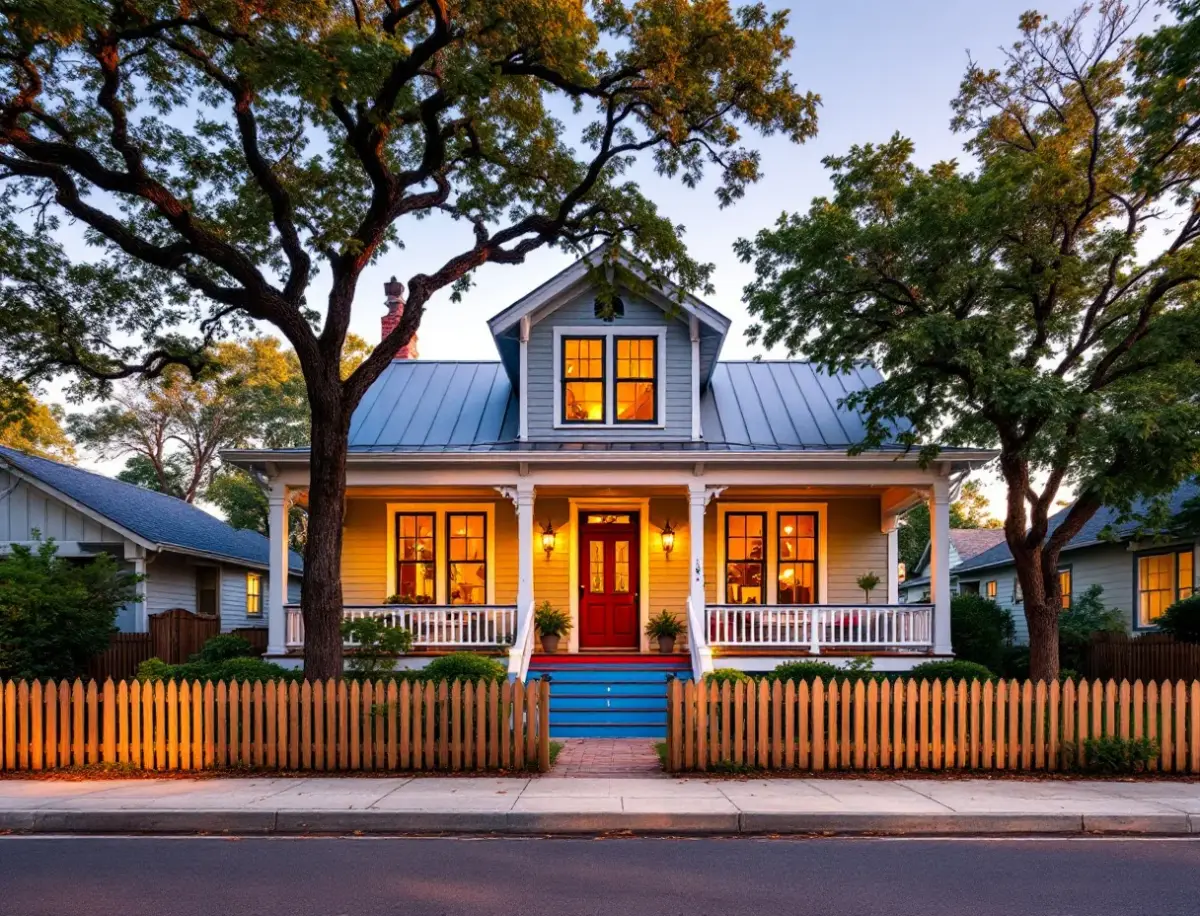
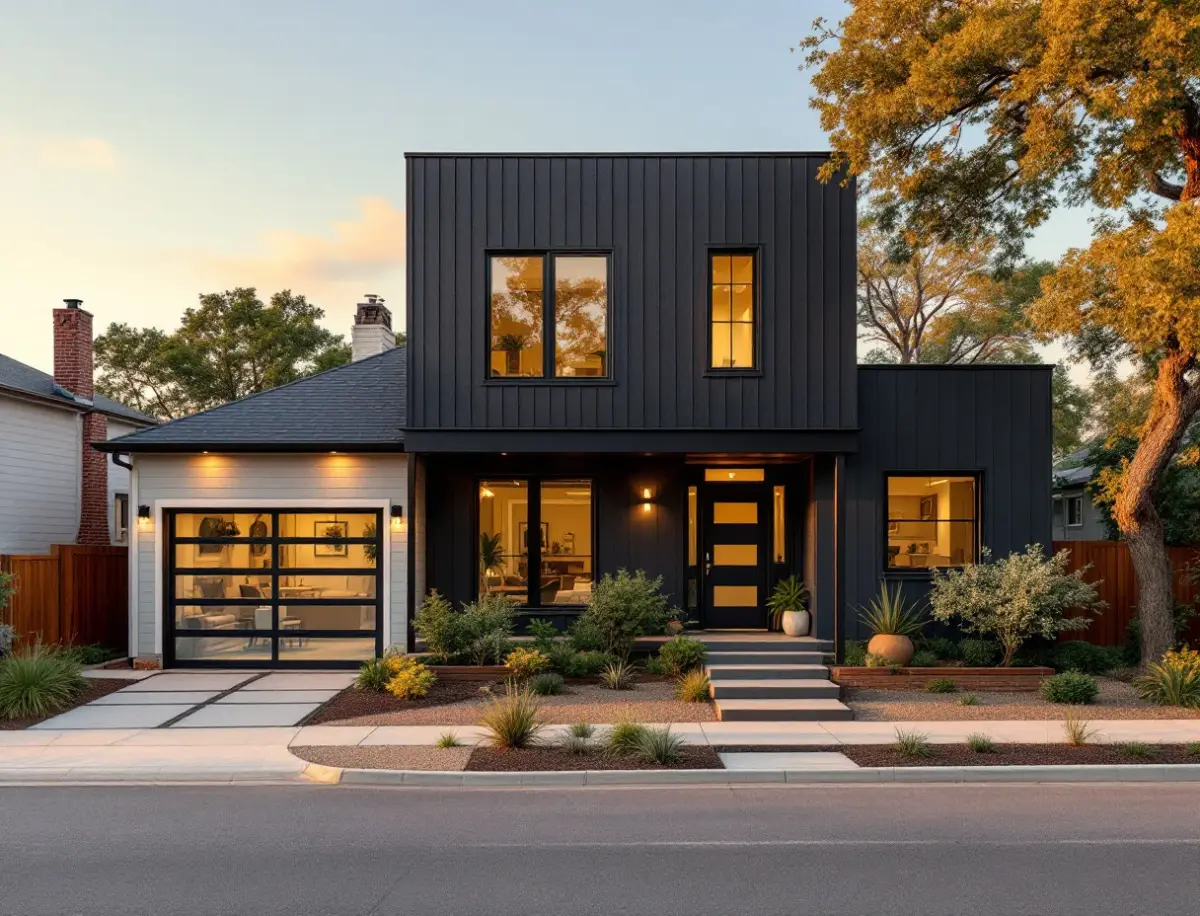
The stock is a genuine mix, often on the same street: original 1920s–40s bungalows (some restored, some sagging), 1960s cottages, warehouse and church conversions, and a large wave of modern infill — the two-units-on-a-lot builds with clean lines and metal roofs that have defined the neighborhood’s new architecture. Condition-heavy original bungalows start in the $450K–$550K range; renovated bungalows and newer infill typically run $600K–$900K; prime Holly-area and architect-designed homes push past $1M (per Redfin/Zillow public market data, mid-2026 — verify current). After a decade of relentless appreciation, 2025–26 has brought a real correction — medians are down double digits from peak — which makes this the first genuine negotiating window East Austin buyers have had in years.
If you want the East side’s energy with more predictability — HOA-maintained parks, newer systems, planned streetscapes — look one neighborhood north at Mueller. If you want to be even closer to the action, Downtown is one bridge away.
New construction in East Austin
East Austin’s new construction is infill, not subdivisions: small local builders and design-build firms replacing or supplementing older structures with modern homes, ADUs, and two- and three-unit condo regime projects, a trend accelerated by Austin’s recent HOME ordinance allowing more units per lot. Quality varies more here than in any master-planned community — some builds are excellent, some are investor-grade behind a fashionable facade. This is where experienced representation earns its keep: we vet the builder’s track record, scrutinize the condo regime documents on shared-lot projects, and negotiate inspection rights and warranty terms that the builder’s own contract conveniently omits. The contract on a new infill home protects its author; our job is making sure someone at the table is protecting you.
The local's list
What we tell clients after the paperwork's signedGreen space & trails
- Boggy Creek Greenbelt — 2.6 shaded miles of creekside trail under old pecans and oaks, minutes from East 12th
- Edward Rendon Sr. Park at Festival Beach — the Eastside's own Butler trail access, with a paddle launch and skyline views minus the Zilker parking fight
- Govalle Neighborhood Park on Bolm — pool, ballfields, and a Boggy Creek trail link the neighborhood actually uses
Eat & drink
- Franklin Barbecue — the line is real Tuesday through Sunday; regulars preorder pickup or go midweek instead of camping out
- Nixta Taqueria on East 12th — James Beard-winning tacos from a corner counter; the duck carnitas is the order
- Whisler's — the East 6th cocktail anchor; the small upstairs mezcal room is the insiders' floor
Only-here bonuses
- Boggy Creek Farm — a working urban farm in the middle of the neighborhood; the Saturday farm stand runs 9 to 1
- East Austin Studio Tour — November weekends when hundreds of working studios open their doors; locals map routes over breakfast
- Red Line rail from Plaza Saltillo — downtown or northbound without touching I-35
Building now in East Austin
Active new-construction communities
Pricing is builder-published ballpark, verified July 2026 — releases change fast. How we handle new construction →
See it in person
Walk East Austin with us
An hour on the ground tells you more than a week online. We'll show you the streets that fit your life — and tell you which ones don't.
Prefer to talk first? Call (512) 537-8623 or email contact@raresidential.com.
Keep exploring
If you like East Austin, also look at
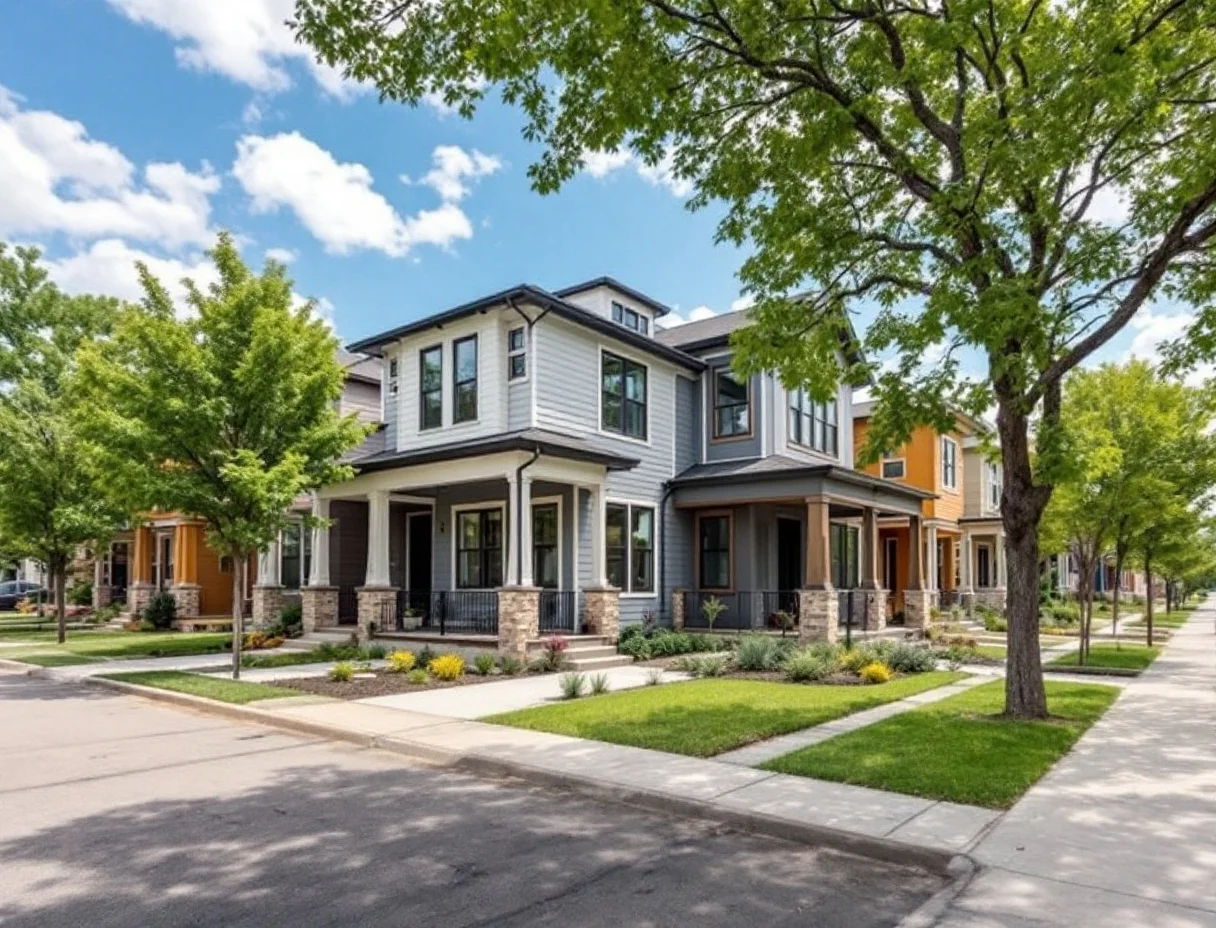
Mueller
A whole neighborhood designed on purpose — front porches, pocket parks, and a lake where runways used to be.
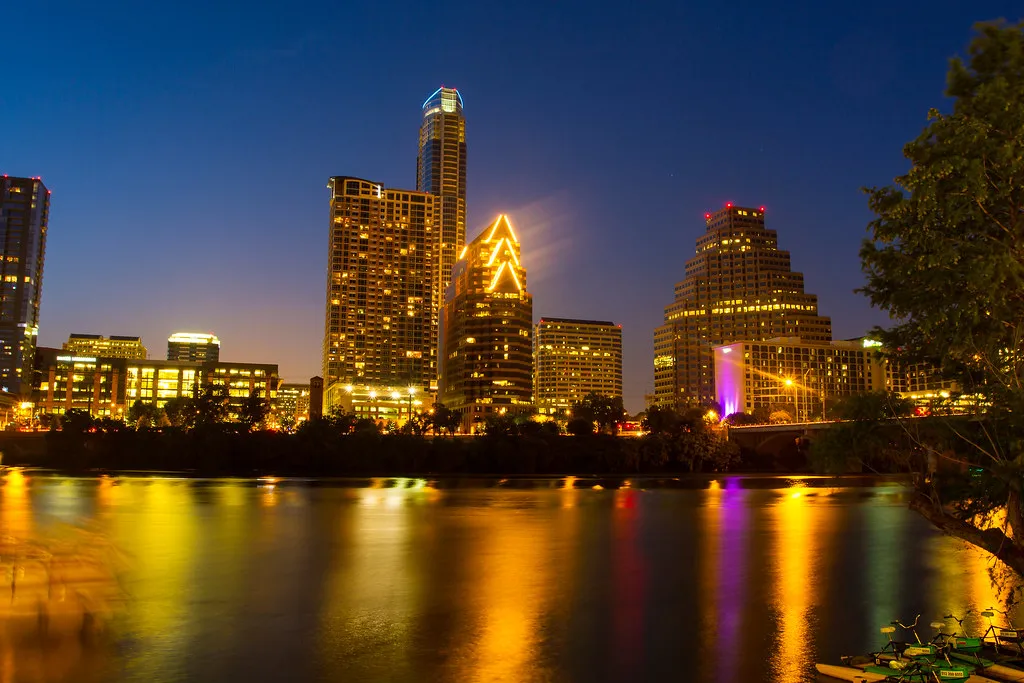
Downtown Austin
High-rise living over the lake, where the elevator ride is the commute.
South Congress & Travis Heights
Austin's postcard street, with hundred-year-old bungalows hiding just behind it.