Field Guide · Nº 31
Northwest Hills
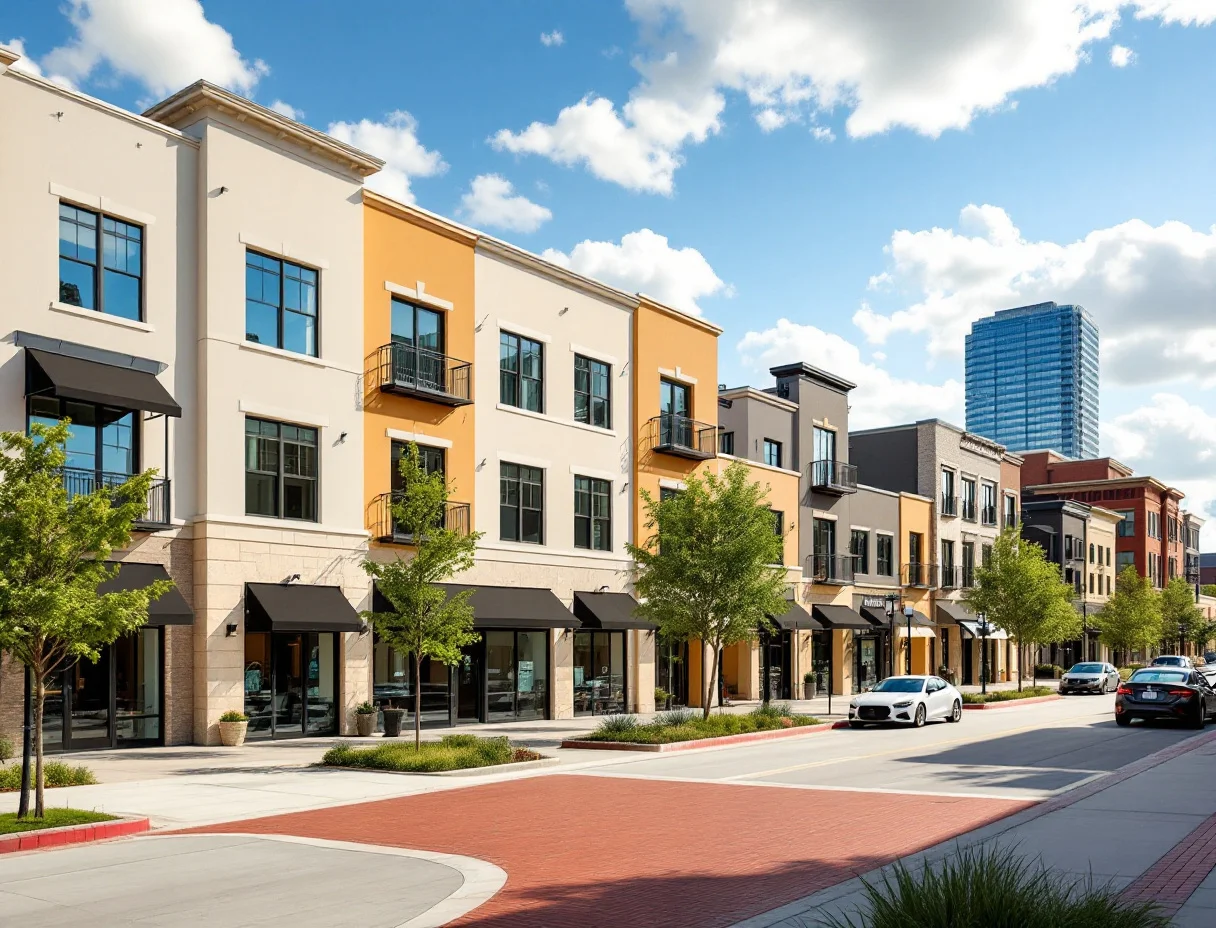
1960s hillside Austin — mid-century homes with views, halfway between downtown and the Domain.
← All neighborhood guides Central Austin · Updated July 2026
The feel of Northwest Hills
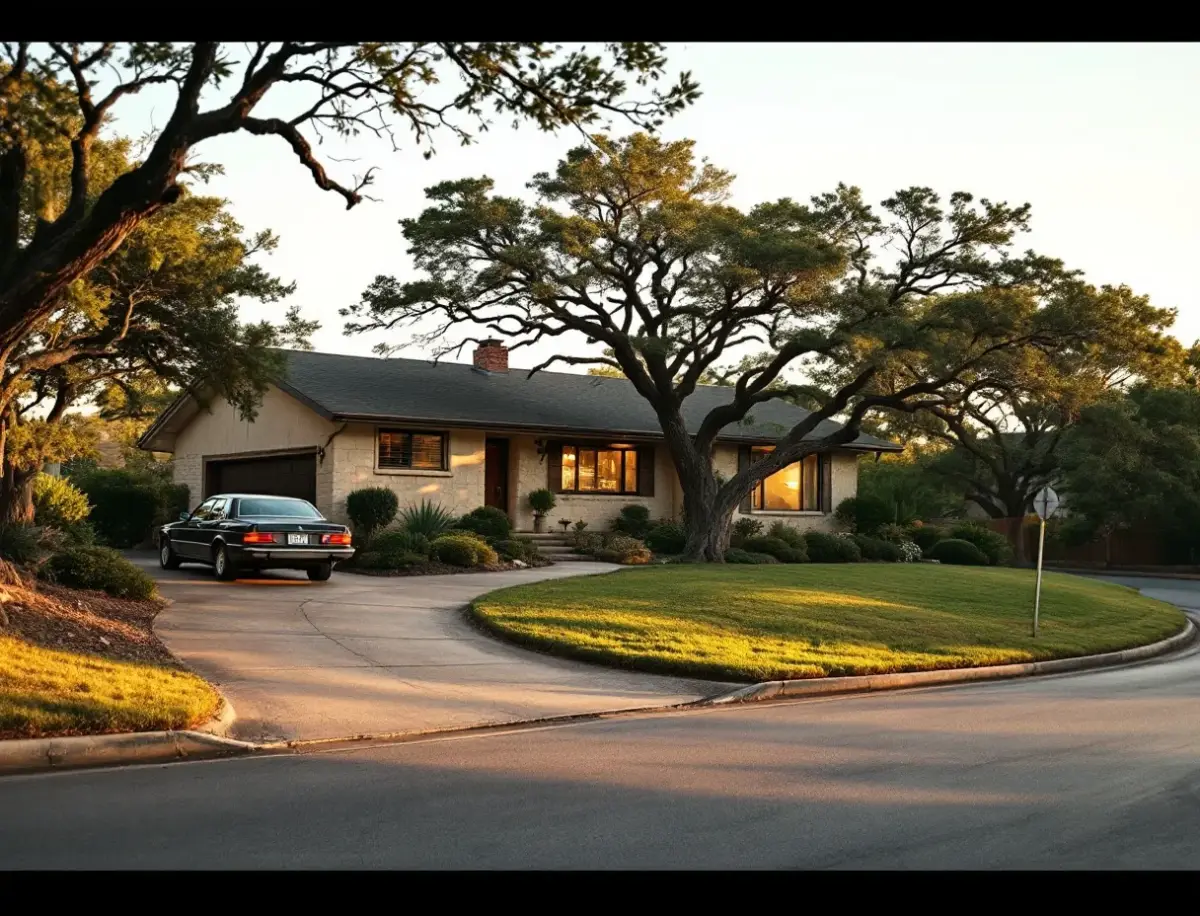
Northwest Hills is where Austin first climbed into the hills. Developed largely in the 1960s and 70s off Far West Boulevard, west of MoPac between 2222 and Spicewood Springs, it was the prestige address of its era — and the architecture remembers. Streets like Greystone, Hart Lane, and Cat Mountain’s approaches carry low-slung mid-century homes in limestone and redwood, split-levels stepping down slopes, and the occasional flat-roofed modernist gem with a wall of glass aimed at a canyon view. The live oaks have had sixty years to close over the streets.
The center of daily life is the Far West corridor: an unglamorous but complete strip with groceries, restaurants, and services, plus the neighborhood’s own institutions. Larger retail runs are easy — the Arboretum and Great Hills shopping districts sit just up MoPac and 360, and the Domain is one exit further. But the neighborhood’s character is residential and calm: joggers on Far West’s wide median, deer wandering the upper streets near the Bull Creek greenbelt, and a mix of original owners who bought in 1972 alongside young families who moved in for the schools.
Who does it suit? Buyers who want central-Austin geography with hill-country texture, families targeting the Anderson feeder pattern, and anyone splitting commutes between downtown and the north tech corridor. Mid-century enthusiasts do very well here. Who should think twice? Buyers who want to walk to dinner, and anyone allergic to renovation — most of this housing stock asks for updating, and the hillside lots make that pricier than flatland work.
Schools
The schools are the engine of demand. The standard feeder is Doss Elementary — rebuilt as a modern campus in recent years and perennially one of AISD’s most requested — then Murchison Middle School and Anderson High School, which offers the International Baccalaureate diploma programme. It is one of the few AISD tracks where buyer demand is strong at all three levels, and listings here lead with the zoning for a reason. Hill Elementary serves some adjacent blocks and carries a similarly strong reputation.
The honest picture: this feeder’s popularity has held up even through AISD’s district-wide enrollment declines and budget squeezes, but campus boundaries are drawn block by block — parts of greater Northwest Hills zone differently, and nearby private options (St. Theresa’s, and others along the 2222 corridor) compete for the same families. We verify the exact attendance zone for any address before you get attached, because in this neighborhood the zone is a five-to-low-six-figure pricing variable.
The commute
Northwest Hills splits the difference better than almost anywhere in the city. The Domain and the Burnet/MoPac tech employers — Apple’s older campus, IBM’s former grounds, the Q2 Stadium district — are 10–15 minutes north. Downtown is 15–20 minutes south on MoPac from the Far West or 2222 ramps. For households with one job in each direction, this is often the compromise that ends the argument.
The caveats: MoPac is the only real artery, and the Far West and 2222 interchanges stack up at peak — the express lane is a paid escape valve many residents budget for. RM 2222 westbound toward Lake Travis is scenic and slow. The airport runs 25–35 minutes depending on how MoPac and the downtown crossover behave. Within the neighborhood, the hills that give you the views also mean there’s no bikeable grid; this is car geography.
Property taxes and hillside diligence
Effective property tax rates run roughly 1.8–2.0% of market value — City of Austin, Travis County, AISD, and Central Health, with no MUDs; this is fully incorporated central Austin despite the hill-country feel. Long-tenured owners often carry deeply capped taxable values that reset at sale, so we model your actual post-purchase tax bill rather than the seller’s.
The diligence layer that’s specific to Northwest Hills is the terrain. Sloped lots mean retaining walls (whose condition and ownership matter), drainage paths that reveal themselves only in a hard rain, and foundations — slab and pier-and-beam alike — that have spent decades on expansive clay over limestone. Add 1960s–70s systems: original galvanized or cast-iron plumbing, aging electrical panels, and flat or low-slope roofs on the modernist stock. None of this should scare you off; nearly all of it is knowable and priceable with the right inspections, which is exactly how we approach offers here.
What you’ll find
The stock is mid-century and later: 1960s–70s ranches and split-levels of 1,800–3,000 square feet, limestone and wood exteriors, on lots from a quarter acre up — many sloped, treed, and private, some with genuine skyline or canyon views. Pockets like Cat Mountain and the streets near the Bull Creek greenbelt add larger 1980s–90s homes, plus a steady scattering of condos and townhomes along Far West and Hart Lane that offer the zip code at a lower entry point.
Per Redfin and Zillow public market data as of mid-2026, typical pricing runs from roughly $600K for condos and smaller original-condition homes to $1.5M+ for renovated view properties, with single-family medians commonly in the $700Ks–$900Ks — verify current, as recent months have swung noticeably with the mix of originals versus remodels. The value case is straightforward: dollar for dollar, you get more house and more lot than in Allandale and Crestview across MoPac, and far more than in Tarrytown — the trade is walkability and the near-certainty of renovation. For buyers anchored to the north tech corridor, we often tour this alongside the Domain itself, which flips every one of those tradeoffs in the other direction.
The local's list
What we tell clients after the paperwork's signedGreen space & trails
- Bull Creek District Park off Lakewood Dr — limestone falls and wading pools below the 360 bridge; best the week after rain
- St. Edward's Park on Spicewood Springs — creek crossings and a bluff-top loop; the quiet alternative to the Barton Creek crowds
- Bright Leaf Preserve off 2222 — 200-plus hillside acres open only for docent-led hikes on select mornings; reserve ahead
- Far West Boulevard's wide median — the neighborhood's unofficial running track, shaded and rolling from MoPac up the hill
Eat & drink
- Russell's Bakery on Hancock Dr — 25 years of cinnamon rolls and lattes; the post-dropoff Doss crowd holds the patio by 8
- Chinatown on Greystone Dr — the white-tablecloth Cantonese and dim sum room Northwest Hills has kept busy for decades
- Fonda San Miguel — the interior-Mexican landmark ten minutes down MoPac at North Loop; closed Sundays, so book a weeknight
Only-here bonuses
- Covert Park at Mount Bonnell is a ten-minute detour — sunset over Lake Austin on the way home from downtown
- Deer still browse the upper streets near the Bull Creek greenbelt at dusk — evening dog walks come with an audience
See it in person
Walk Northwest Hills with us
An hour on the ground tells you more than a week online. We'll show you the streets that fit your life — and tell you which ones don't.
Prefer to talk first? Call (512) 537-8623 or email contact@raresidential.com.
Keep exploring
If you like Northwest Hills, also look at
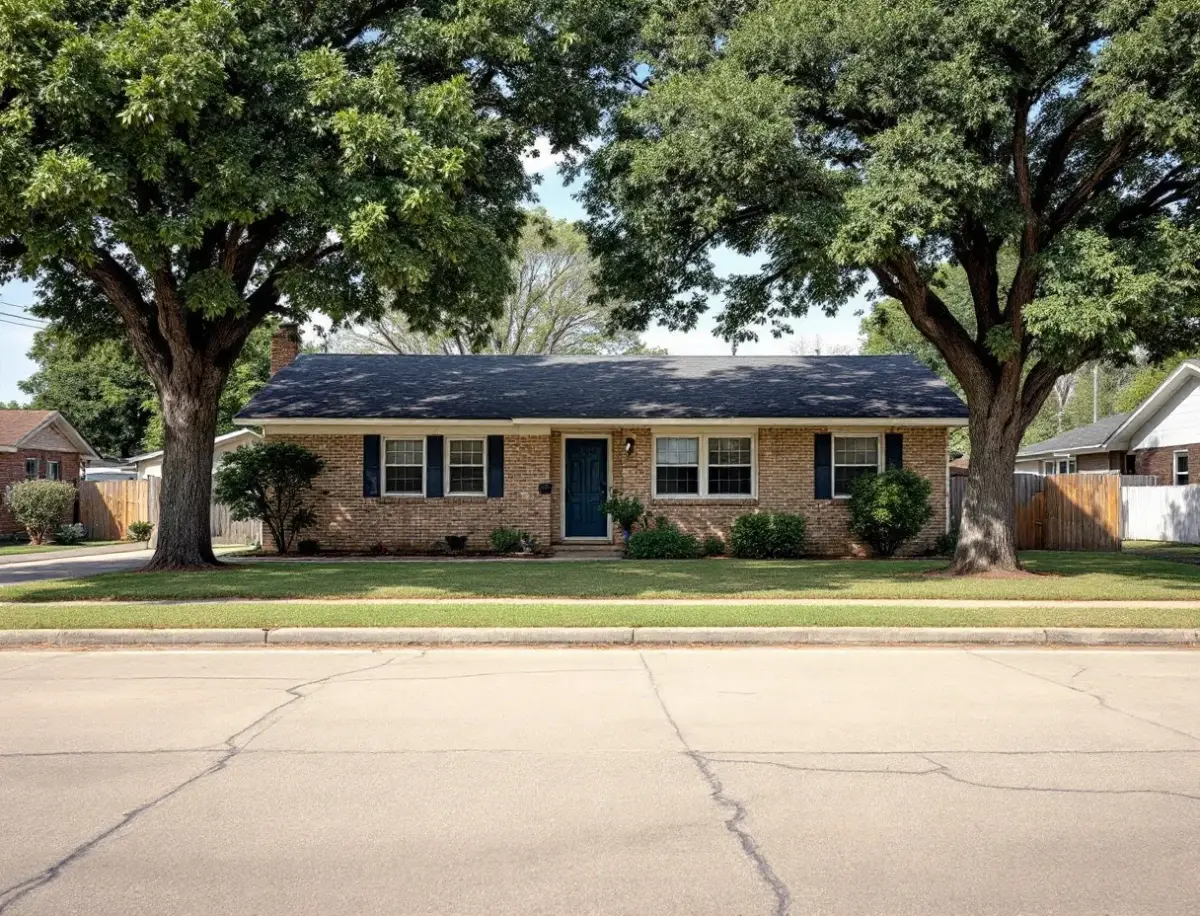
Allandale & Crestview
Burnet Road nostalgia, 1950s ranches on real lots, and some of central Austin's best-loved elementaries.
Tarrytown & Clarksville
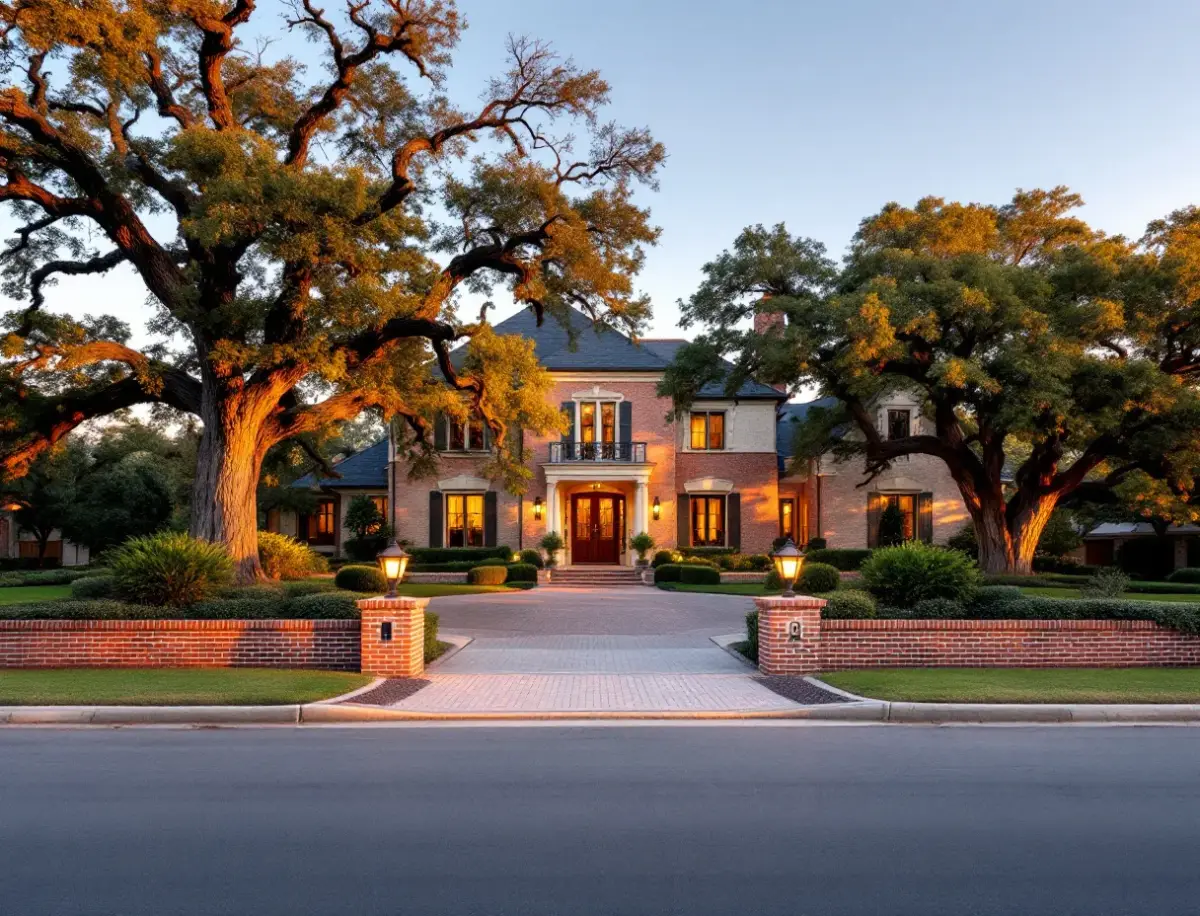
Old-money West Austin — lake access, legacy oaks, and the shortest luxury commute in the city.
The Domain & North Austin
Austin's second downtown — walk to work, Q2 Stadium, and Rock Rose, with real neighborhoods a mile away.