Field Guide · Nº 28
South Lamar & South First
Austin's restaurant corridor out front, 1950s ranch streets tucked behind — the working heart of 78704.
← All neighborhood guides Central Austin · Updated July 2026
The feel of South Lamar & South First
South Lamar — SoLa, if you must — is the corridor Austin actually uses. It’s not a postcard strip like South Congress; it’s where the city eats on a Tuesday. Uchi put the corridor on the national food map, Loro packs its patio year-round, Matt’s El Rancho has been serving Bob Armstrong dip since before most of its neighbors were born, and the Broken Spoke — the last true Texas dance hall on the strip, now hemmed in by apartment blocks — still holds its ground as the corridor’s conscience. The Alamo Drafthouse on South Lamar is many residents’ second living room.
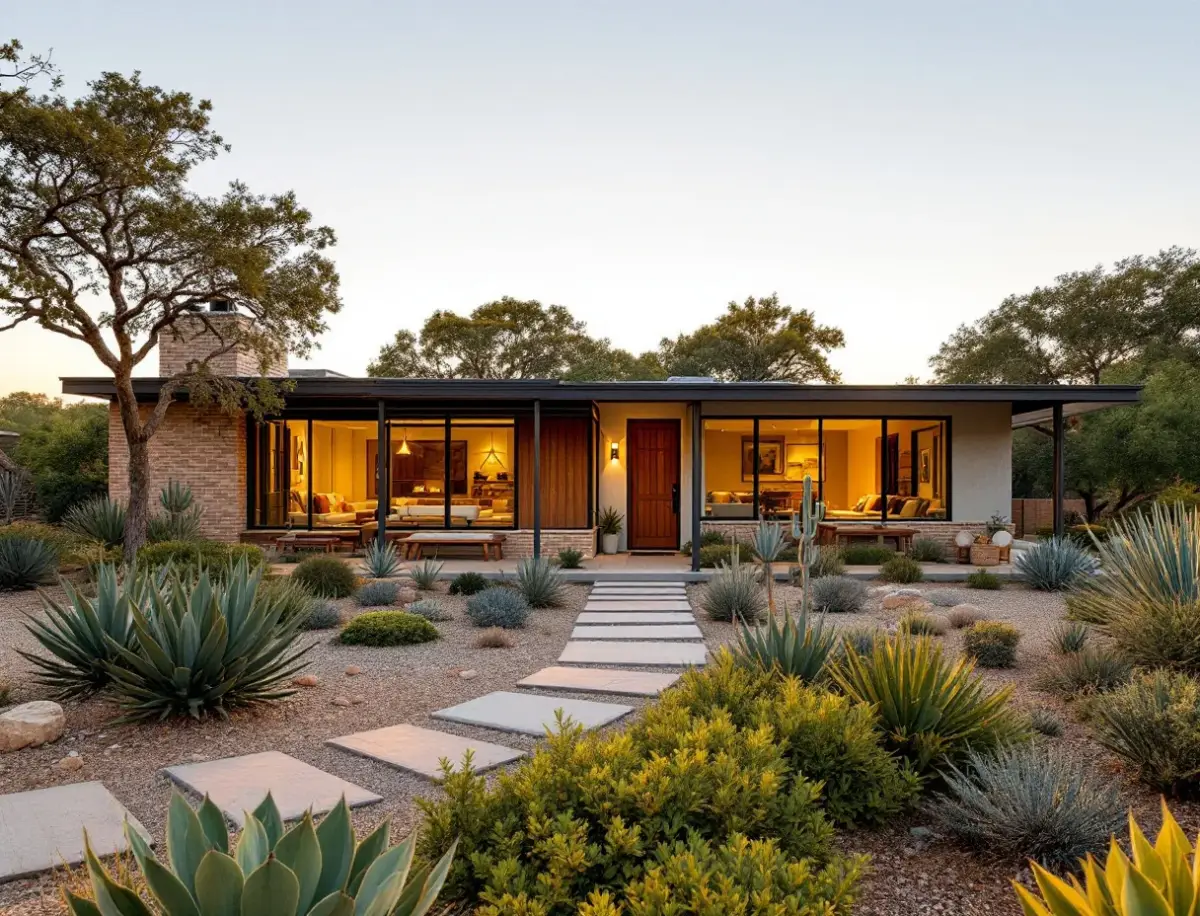
One block off the corridor, the volume drops. The streets between South Lamar and South First — and west toward the greenbelt — are 1950s and 60s ranch neighborhoods: low-slung three-bedroom homes with carports, big live oaks, and lots that feel generous by central Austin standards. This is the neighborhood’s real character: postwar Austin, walkable to a world-class dinner.
Who does it suit? Buyers who want central-city convenience without the precious price of the fancier zip-code names, food-and-music people, and anyone who values a real yard ten minutes from downtown. Who should think twice? Light sleepers on the corridor-adjacent blocks, and anyone who wants a finished, static neighborhood — this one is actively rebuilding itself.
Schools
This is Austin ISD, and zoning here is genuinely fragmented — the corridor area splits between Zilker Elementary, Barton Hills Elementary, and Joslin Elementary depending on the block, feeding to O. Henry or Covington Middle and then Austin High or Crockett Early College High School. Zilker and Barton Hills elementaries both carry strong neighborhood reputations; Joslin is a smaller campus with a dedicated community that has fought for it through AISD’s consolidation debates.
The honest picture: because the feeder pattern can change from one street to the next, the school question here is address-specific in a way it isn’t in most neighborhoods. AISD has also redrawn central Austin boundaries before and faces ongoing enrollment and budget pressure. We pull the current zoning for every specific property a buyer is serious about — assuming the listing description is right is not a plan.
The commute
Downtown is 10–15 minutes up Lamar or South First, and the Lamar bridge drops you straight into the west side of the core. MoPac access at Barton Skyway makes airport-to-downtown geography easy, and the airport itself is 15–20 minutes via Ben White (US-290/71). Heading to the Domain and the north tech corridor is the weak spot: 25–35 minutes in real traffic, since everything funnels to MoPac first.
The daily reality is Lamar itself. It’s one of Austin’s most congested corridors, the center turn lane is a negotiation, and crossing it on foot outside the signals is genuinely unpleasant. Residents learn the parallel routes — Kinney, Del Curto, South Fifth — and structure errands around not touching Lamar between 4 and 7 p.m.
Property taxes and construction reality
Effective property tax rates run roughly 1.8–2.0% of market value — City of Austin, Travis County, AISD, and Central Health, no MUDs in the central city. Recent rebuilds carry assessments near their sale prices, while long-held ranch homes often have homestead-capped taxable values that reset when they trade; we walk buyers through what the tax bill becomes after purchase, not what the seller was paying.
The other ownership reality is construction — both kinds. The corridor keeps adding mixed-use and apartment projects, and the residential streets have an active teardown-rebuild cycle. That means periodic noise, contractor traffic, and changing sightlines. It also supports long-term values: the money keeps choosing this location.
What you’ll find
The inventory splits three ways. On and near the corridor: 2000s-to-current condos and townhomes, typically $550K–$900K, which are the realistic entry point to this zip code. On the interior streets: original 1950s–60s ranch homes, usually 1,200–1,800 square feet on 7,000–9,000+ square foot lots, many needing updates. And increasingly: new builds — modern two-story homes, often built as detached pairs on a former ranch lot.
That last category is the economics of the neighborhood in miniature. Lot values here have risen to the point where a worn original ranch is frequently priced as land plus a discount, and builders compete with end-users for the same listings. Per Redfin and Zillow public market data as of mid-2026, original homes typically trade from the $600Ks to around $1M depending on lot and condition, with remodeled and new construction running $1.1M–$1.6M+ — verify current, as this submarket moves with the builder appetite of the moment. If you’re weighing an original home, we help you underwrite it both ways: as a house to live in and as a lot with a house on it, because the exit value depends on both. Buyers wanting similar bones with less flux often look at Zilker and Barton Hills next door, Bouldin Creek to the east, or Sunset Valley down the corridor, where an independent city and bigger lots change the equation entirely.
The local's list
What we tell clients after the paperwork's signedGreen space & trails
- Greenbelt entrances at Gus Fruh and Barton Hills Drive — five minutes west; residents treat the greenbelt as theirs too
- Zilker Park and Barton Springs via Azie Morton Road — the back way in that skips Barton Springs Road traffic
- Umlauf Sculpture Garden — shaded sculpture grounds at Zilker's southern edge that even longtime Austinites forget to visit
- Butler Trail at the Lamar bridge — the south-shore entrance to the lake loop
Eat & drink
- Uchi — the converted-bungalow flagship that put the corridor on the food map; book ahead or eat early at the bar
- Loro — Franklin-and-Uchi pedigree smoked meats; the weekday happy hour beats the weekend crush
- Matt's El Rancho — Bob Armstrong dip and Mexican martinis; pager in hand on the patio is a nightly scene
- Broken Spoke — two-step lessons Wednesday through Saturday at 8, cash for the lesson; arrive early to claim a spot
- Saxon Pub — the listening room where Austin's working songwriters hold weekly residencies
Only-here bonuses
- Alamo Drafthouse South Lamar — first-run films with table service, walkable for much of the neighborhood
- Barton Creek Farmers Market — Saturday mornings at 2901 South Capital of Texas Highway, ten minutes west
See it in person
Walk South Lamar & South First with us
An hour on the ground tells you more than a week online. We'll show you the streets that fit your life — and tell you which ones don't.
Prefer to talk first? Call (512) 537-8623 or email contact@raresidential.com.
Keep exploring
If you like South Lamar & South First, also look at
Zilker & Barton Hills
Barton Springs as your neighborhood pool, the greenbelt as your backyard.
Bouldin Creek
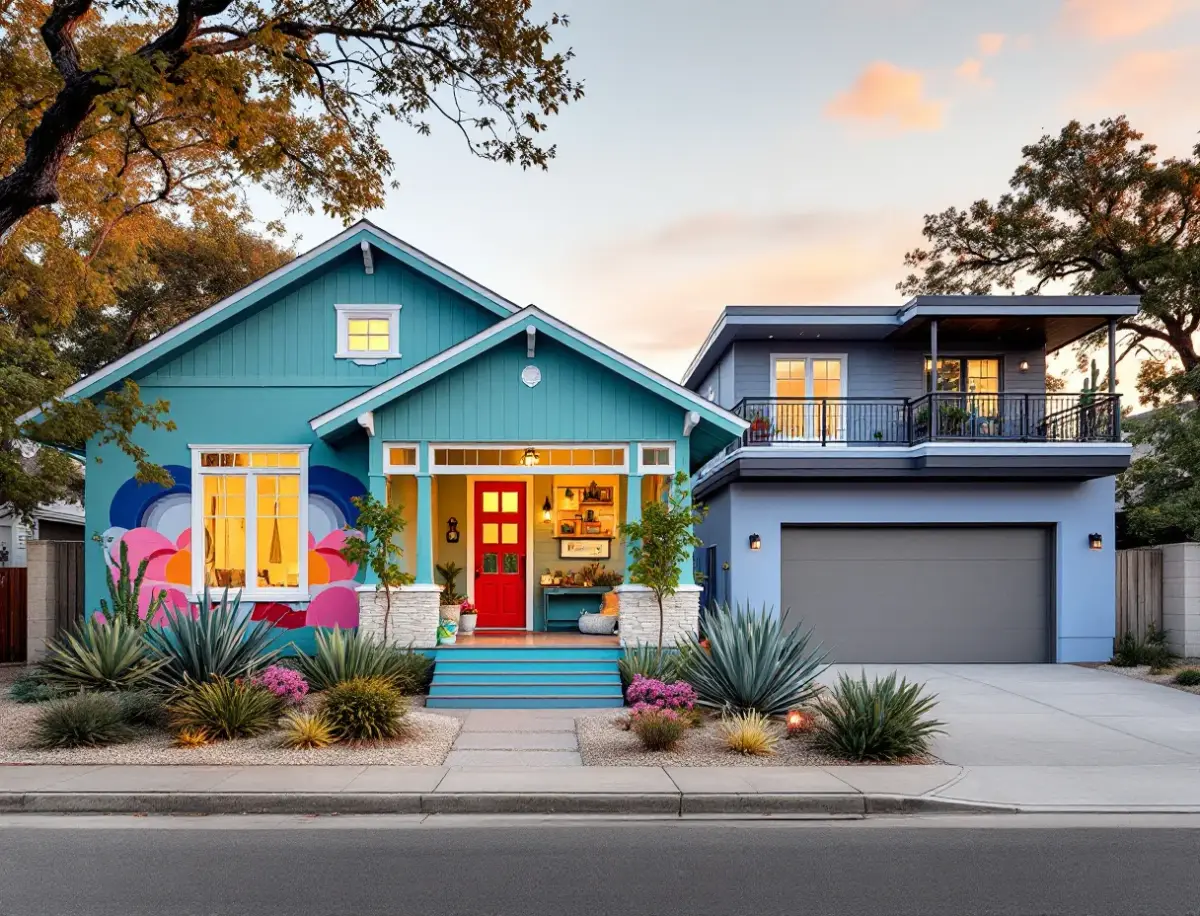
Funky 78704 bungalows and bold modern rebuilds, a short walk from Zilker, SoCo, and downtown.
Sunset Valley
A tiny independent city inside southwest Austin — big lots, no city property tax, and almost nothing for sale.