
Field Notes
Protesting Your Property Taxes
The annual Central Texas ritual — how the appraisal cycle works, what evidence lands, and when to hire it out.
Updated July 2026
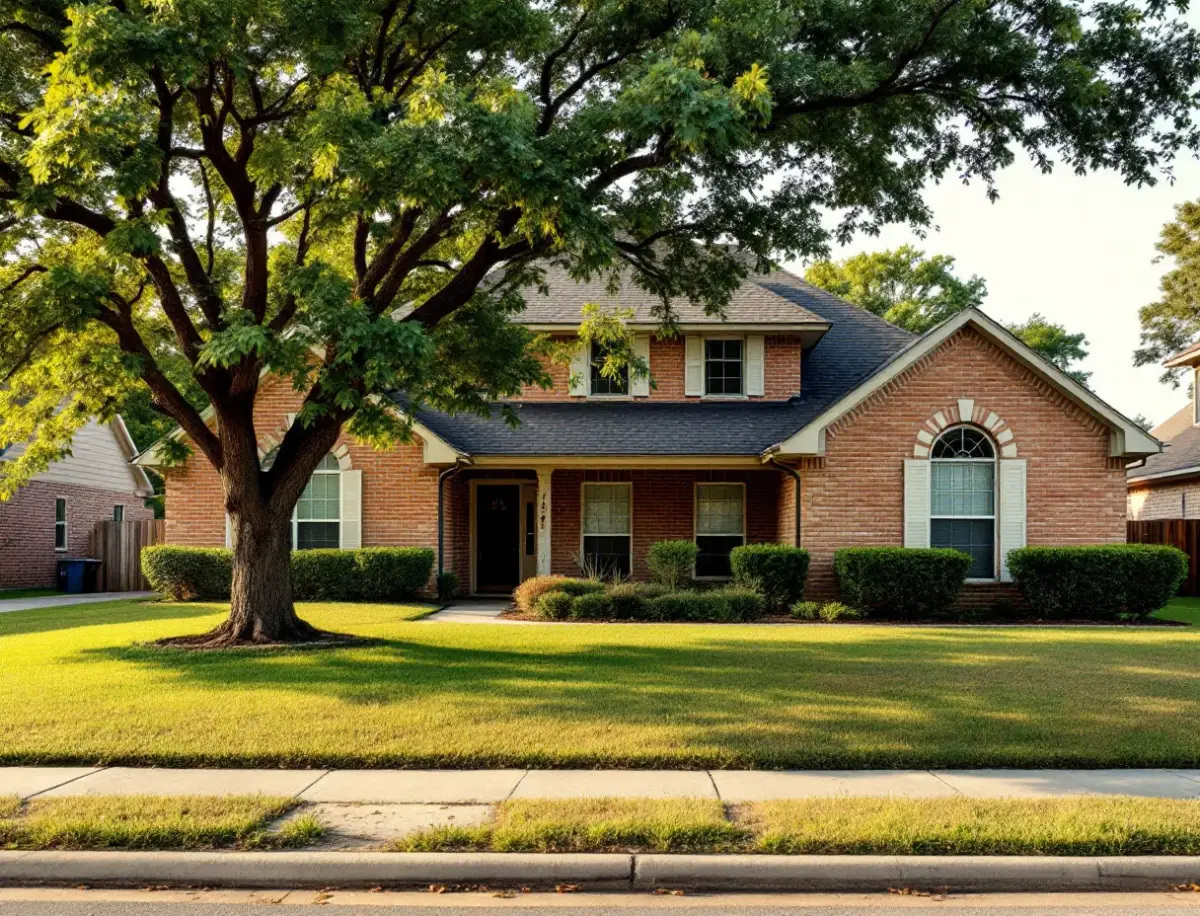
Every spring, a plain envelope from the county appraisal district lands in Central Texas mailboxes, and every spring a lot of homeowners open it, wince at the number, and file it away. Don’t. The protest system in Texas is not a loophole or a fight — it’s a designed part of the process, the districts expect it, and homeowners who engage with it routinely do better than those who don’t. Here’s how the cycle actually works in Travis, Williamson, and Hays counties. This is education, not legal or tax advice — deadlines and exemption rules shift, so verify everything with your county appraisal district and consult your tax professional for your situation.
The cast and the calendar
Three agencies matter here: the Travis Central Appraisal District, the Williamson Central Appraisal District, and the Hays Central Appraisal District. Each one appraises every property in its county at market value as of January 1, then mails a Notice of Appraised Value — typically in April, though mailing waves vary by county and year.
Two things people persistently confuse: the appraisal district sets your value; your city, county, school district, and any special districts set the rates months later, in the fall. When you protest, you’re contesting the value (or arguing your property is appraised unequally compared to similar ones) — not the rate. If the rate itself is what stings, that’s a different conversation; our note on MUD taxes covers where those rates come from.
The deadline is the part to tattoo on your calendar: in most cases you must file a protest by May 15, or 30 days after the district delivered your notice, whichever is later. If your notice showed up late, your personal deadline may be later than May 15 — the date is printed on the notice itself, so read it rather than assuming. And verify the current year’s rules with your CAD, because the Legislature adjusts the machinery regularly. Filing is done online in all three counties in a few minutes, and there is no charge to file.
Informal review, then the ARB
After you file, the process has two stages, and most protests never reach the second.
The informal review is a conversation — increasingly a purely online one — with a district appraiser. You submit your evidence, they look at theirs, and a large share of cases settle here with an adjusted value. All three local districts run online portals that will show you the evidence the district used for your value and often present a settlement offer you can take or decline. Declining costs you nothing but time.
The Appraisal Review Board (ARB) hearing is the formal stage: a panel of citizens — independent of the appraisal district — hears your presentation and the district’s, then rules. Hearings run roughly 15–20 minutes, they’re less intimidating than they sound, and preparation beats eloquence every time. You can appear in person, by phone or video, or by written affidavit. Beyond the ARB there are further appeal routes (binding arbitration, district court), but that’s territory where professional help earns its keep.
Evidence that actually works
ARB panels and appraisers respond to documentation, not indignation. The short list of what moves the number:
- Closing statement, in year one. If you bought the home recently for less than the appraised value, your settlement statement is the single strongest piece of evidence you will ever have. A market sale is market value. New-construction buyers in fast-growing corridors — think Round Rock or the communities along the 130 corridor — should check year-one appraisals especially closely.
- Comparable sales. Recent sales of similar nearby homes, adjusted for size and condition. Your agent can pull these — we do it for past clients every spring — and the district’s own evidence packet often contains comps that quietly help your case.
- Condition photos and repair bids. The district appraises from the street and from models; it has no idea your foundation needs work or the original 1998 HVAC is limping. Photos, inspection reports, and contractor estimates give the appraiser a documented reason to adjust.
- Unequal appraisal. Separate from market value, Texas lets you argue your home is appraised higher than a reasonable sample of comparable properties. In neighborhoods of similar homes, this argument frequently does the heavy lifting.
Exemptions and the 10% cap
Before protesting anything, make sure your homestead exemption is in place — it’s the highest-value paperwork in Texas homeownership. As of the 2025 tax year, following the constitutional amendment voters approved in November 2025, the general school-district homestead exemption is $140,000 of value, with an additional $60,000 for homeowners 65 or older or disabled — verify current amounts with your CAD, as these figures have moved twice in recent years. You apply once, at no cost, through your county appraisal district; be wary of mailers offering to file it for a fee.
The homestead exemption also brings the 10% cap: once it’s in effect, the taxable (assessed) value of your homestead can’t rise more than 10% per year, regardless of what the market value does — new improvements excepted, and note the cap generally doesn’t apply in your first year of ownership. In hot years, the cap is why longtime owners in places like Buda and Kyle pay taxes on far less than market value. One subtlety: it can still be worth protesting the market value even when the capped value is what you’re taxed on, because this year’s market value is the base future caps grow from.
When to hire a protest firm
A cottage industry of protest firms works on a contingency model: no upfront cost, and the firm keeps a share of the tax savings it achieves, typically under an agreement you sign once and that may auto-renew annually. We won’t endorse specific firms or promise outcomes — results vary by property and year — but here’s a fair framework:
- Do it yourself when you have strong, simple evidence: a year-one closing statement, obvious condition issues, or clear comps. The online informal process was built for exactly this.
- Consider a firm when the property is complicated, when you’ll forget to file (an unprotested year is money nobody recovers), or when your time is genuinely worth more than the task. Read the agreement’s renewal and fee terms before signing.
Either way, protest in some form most years. Values in this metro move enough that last year’s number is rarely this year’s truth — in either direction. The districts publish their protest procedures every spring; check the Travis, Williamson, or Hays CAD site for the current year’s deadlines and portal, and if you’d like our comp pull before you file, ask — it’s part of how we stay useful after closing.
The guides go street by street.
Every neighborhood we cover gets the same honest treatment — schools, taxes, tradeoffs, and the local's list.
Browse the guides