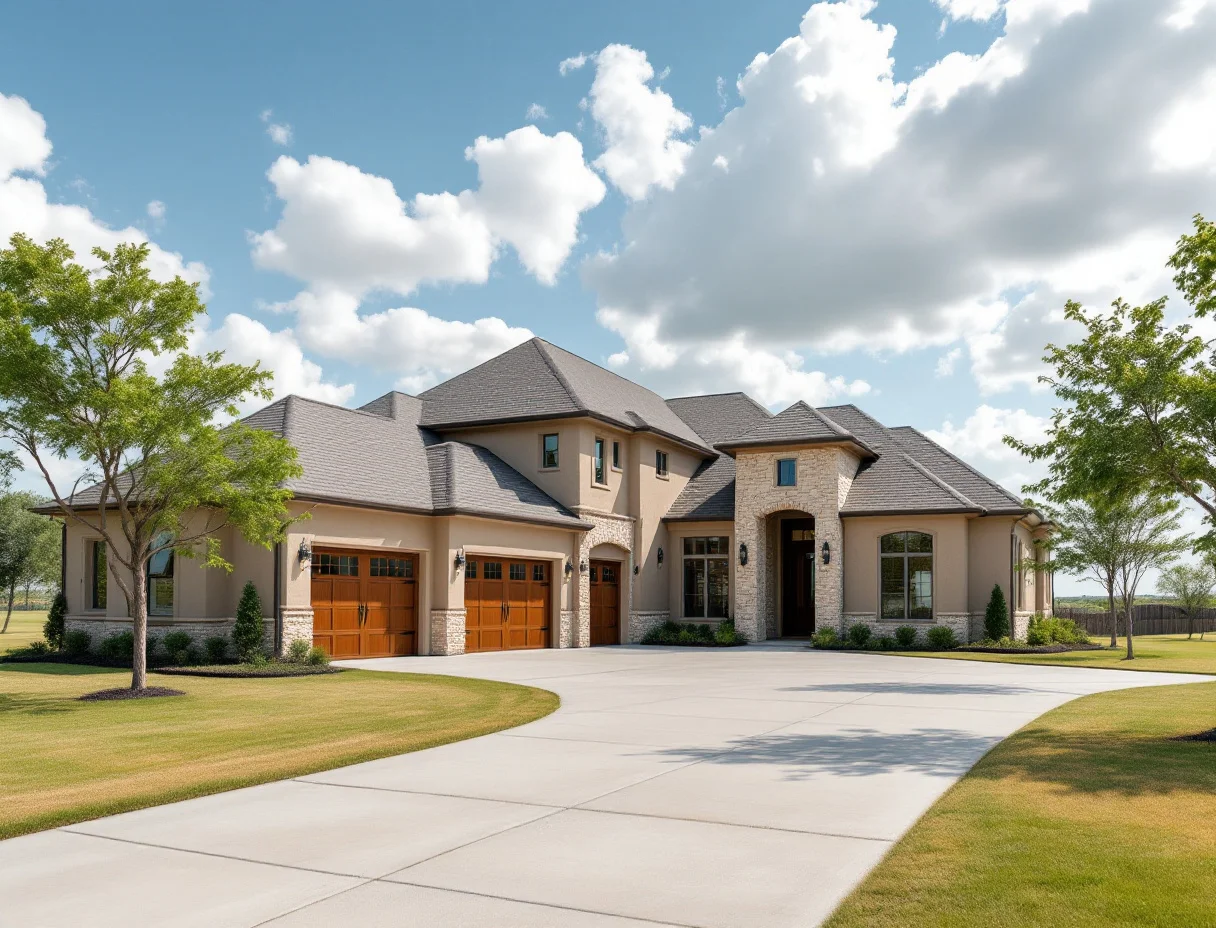
Field Guide · Nº 16
Cedar Park
The suburb that grew up — mature trees, top-rated schools, and everything already built.
← All neighborhood guides North & Northwest Suburbs · Updated July 2026
The feel of Cedar Park
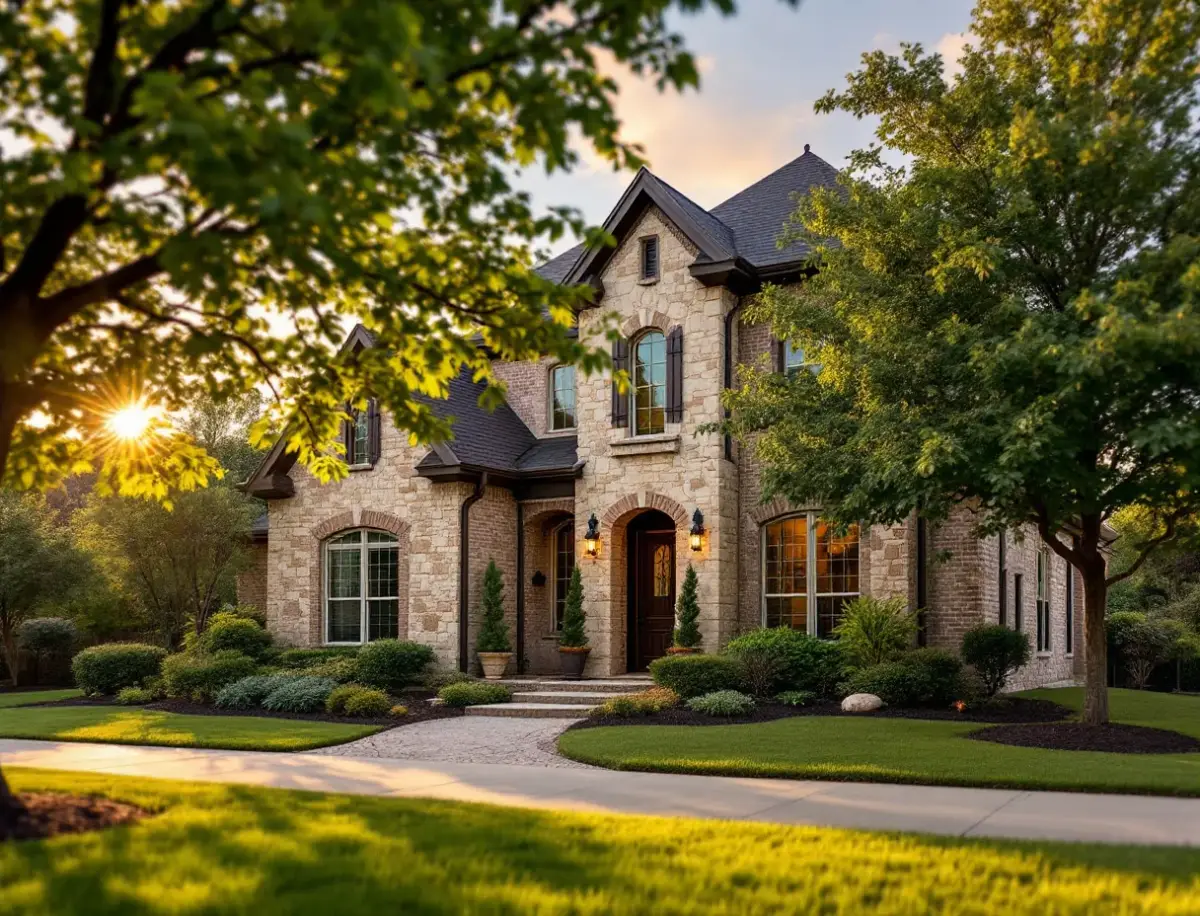
Cedar Park is what happens when a boomtown finishes booming and settles into being a good place to live. Twenty years ago this was the frontier of Austin’s northwest expansion; today it’s essentially built out, and that changes the character entirely. The trees have grown in. The HOAs have their acts together. The shopping — 1890 Ranch, the Lakeline corridor, Costco — is already here, not “coming in phase three.”
The town’s center of gravity is shifting toward the Bell District, the city’s 52-acre redevelopment of old Bell Boulevard into a walkable mix of parkland, retail, and residential alongside the Buttercup Creek Natural Area. Add the HEB Center (home of the Texas Stars and a steady concert calendar) and the Brushy Creek Regional Trail — one of the best trail systems in the metro — and Cedar Park has more genuine identity than most suburbs its age.
Who it suits: buyers who want the northern-suburb school pedigree without gambling on a community that’s still half dirt. Who it doesn’t: anyone who wants a brand-new home at a starter price, or acreage. For those buyers, we usually point up the road to Leander or Liberty Hill.
Schools
Most of Cedar Park sits in Leander ISD, and this is a major reason people buy here. Cedar Park High School and Vista Ridge High School both have strong academic and extracurricular reputations, and the elementary and middle feeders — Cypress, Deer Creek, Henry Middle, Cedar Park Middle — are well regarded. The eastern edge of the city, roughly toward Lakeline and Anderson Mill, falls into Round Rock ISD, which is also strong; Westwood High’s academic programs draw families specifically.
The honest picture: Leander ISD has been managing rapid district-wide growth for two decades, and boundary adjustments happen. Within Cedar Park proper the attendance zones are more stable than in Leander’s newer sections, but we always verify the current zoning for a specific address before you fall in love with a house — never assume from a listing.
The commute
Cedar Park’s commuting story is better than its distance suggests, thanks to the 183A toll road. The Domain and the Arboretum-area tech employers are 20–30 minutes for most of the city. Apple’s Parmer Lane campus is similar. Downtown Austin is the harder trip: 35–50 minutes at peak on 183A/MoPac, and worse when there’s an incident. FM 1431 (Whitestone Blvd) is the east-west workhorse and gets heavy near 183 at rush hour.
There’s no rail stop in Cedar Park itself — the CapMetro Red Line runs from Leander and Lakeline, and the Lakeline station on the city’s southeast edge is a practical park-and-ride for downtown workers who’d rather read than brake.
One practical note we give every relocating buyer: which side of 183A you live on shapes your daily life more than the city name does. West of the tollway (Buttercup Creek, Twin Creeks) leans quieter and greener with slightly longer errand runs; east of it (toward Lakeline and Parmer) trades some of that calm for five-minute access to nearly everything. Drive both at 5:30 p.m. before deciding.
Property taxes and MUDs
This is one of Cedar Park’s quiet advantages. Because most of the city developed inside city limits with municipal utilities, the majority of neighborhoods carry no MUD tax. Effective rates typically land around 1.9–2.2% depending on school district and exemptions — noticeably below the 2.5–3.0%+ you’ll see in newer MUD-financed communities in Leander and Liberty Hill. A handful of areas on the edges carry special districts, so we pull the actual tax certificate on any home you’re considering, but as a rule Cedar Park’s tax bill is friendlier per dollar of home than its younger neighbors.
What you’ll find
Cedar Park is dominated by production-built single-family homes from the 1990s through the 2010s: brick and stone elevations, two stories, three-to-five bedrooms, on lots typically in the 6,000–9,000 square foot range. Neighborhoods like Buttercup Creek, Forest Oaks, Ranch at Brushy Creek (technically straddling the line), Twin Creeks (golf course community), and Anderson Mill West each have their own personality, from starter-friendly to country-club.
Per Redfin and Zillow public market data as of mid-2026, the median sits around $490K, with the realistic band running from the low $400Ks for older, smaller homes to $750K+ in Twin Creeks and the larger Ranch at Brushy Creek sections — verify current figures, as the market has been softening from its 2022 peak.
One thing to be candid about: new construction in Cedar Park is nearly gone. What remains is scattered infill, a few townhome and condo projects near the Bell District and Lakeline, and the occasional custom build. If a brand-new home is a hard requirement, Cedar Park will frustrate you — that inventory now lives in Leander, Liberty Hill, and Round Rock’s remaining sections. The flip side is that resale homes here often come with what new communities can’t offer: shade trees, established schools you can verify rather than project, and neighbors who’ve been there long enough to tell you the truth about drainage.
The local's list
What we tell clients after the paperwork's signedGreen space & trails
- Brushy Creek Lake Park — the kayak launch and trailhead locals start from; lots fill by mid-morning on spring Saturdays
- Brushy Creek Regional Trail — about seven paved miles linking Twin Lakes to Champion Park and beyond; go early for shade
- Elizabeth Milburn Park — the pool with slides, sand volleyball courts, and most of the city's event-day energy
Eat & drink
- Whitestone Brewery in the Rail Yard on Whitestone Blvd — the shaded patio looks straight into the steam-train yard
- Moonie's Burger House — the homegrown burger joint Cedar Park measures every newcomer against
- Blue Corn Harvest Bar & Grill on East Whitestone — farm-to-table Southwestern plates; weekend brunch starts at 10
Only-here bonuses
- The Austin Steam Train's Hill Country Flyer departs the Cedar Park depot on weekends — vintage coaches out toward Burnet
- Texas Stars hockey and a steady concert calendar at HEB Center — arena nights ten minutes from the driveway
- Lakeline Farmers Market — Saturday mornings, 9 to 1, in the Lakeline Mall lot year-round
See it in person
Walk Cedar Park with us
An hour on the ground tells you more than a week online. We'll show you the streets that fit your life — and tell you which ones don't.
Prefer to talk first? Call (512) 537-8623 or email contact@raresidential.com.
Keep exploring
If you like Cedar Park, also look at
Leander
Austin's fastest frontier — new homes, a rail line to town, and growing pains to match.
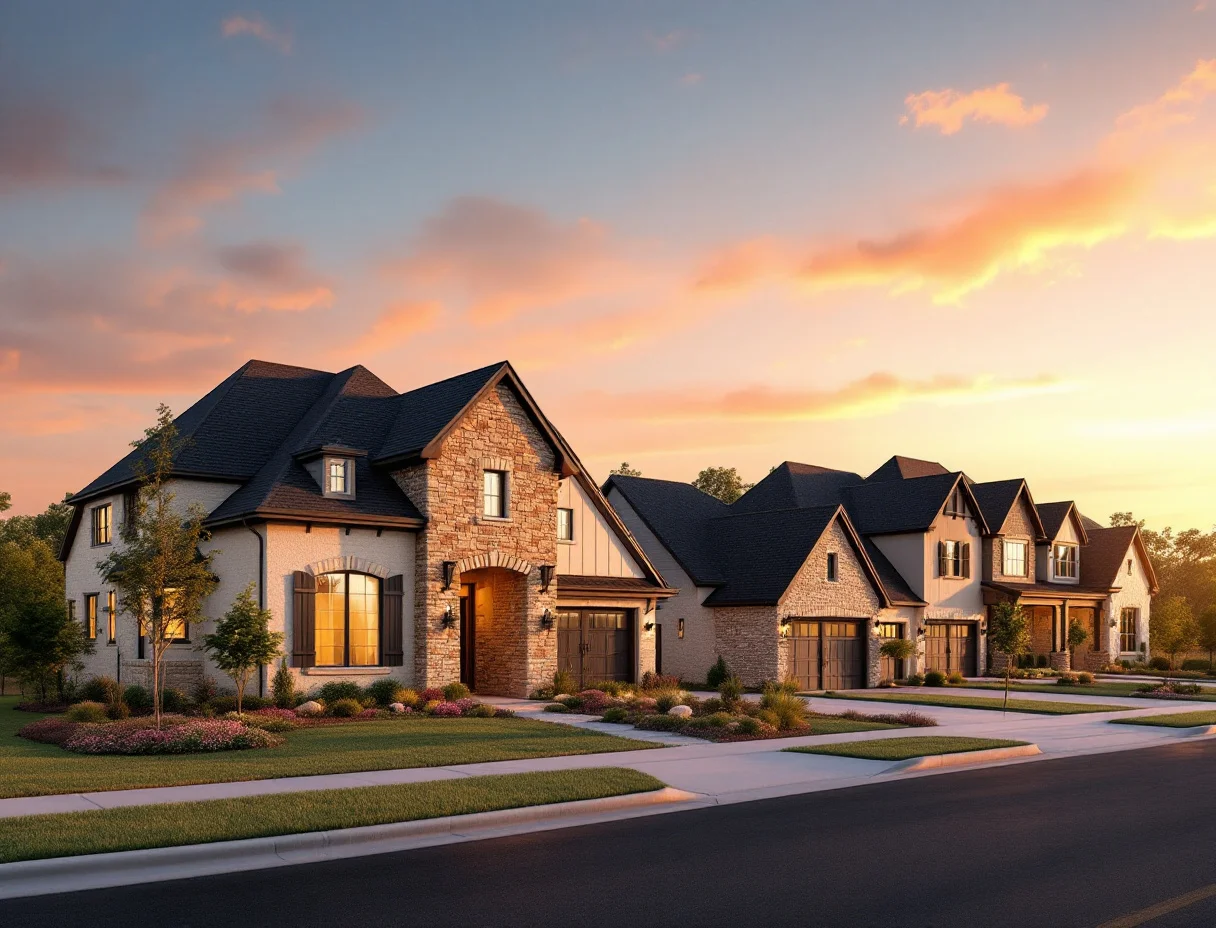
Round Rock
Dell's hometown grew into the north corridor's anchor — big-league schools, ballpark summers, and sensible prices.
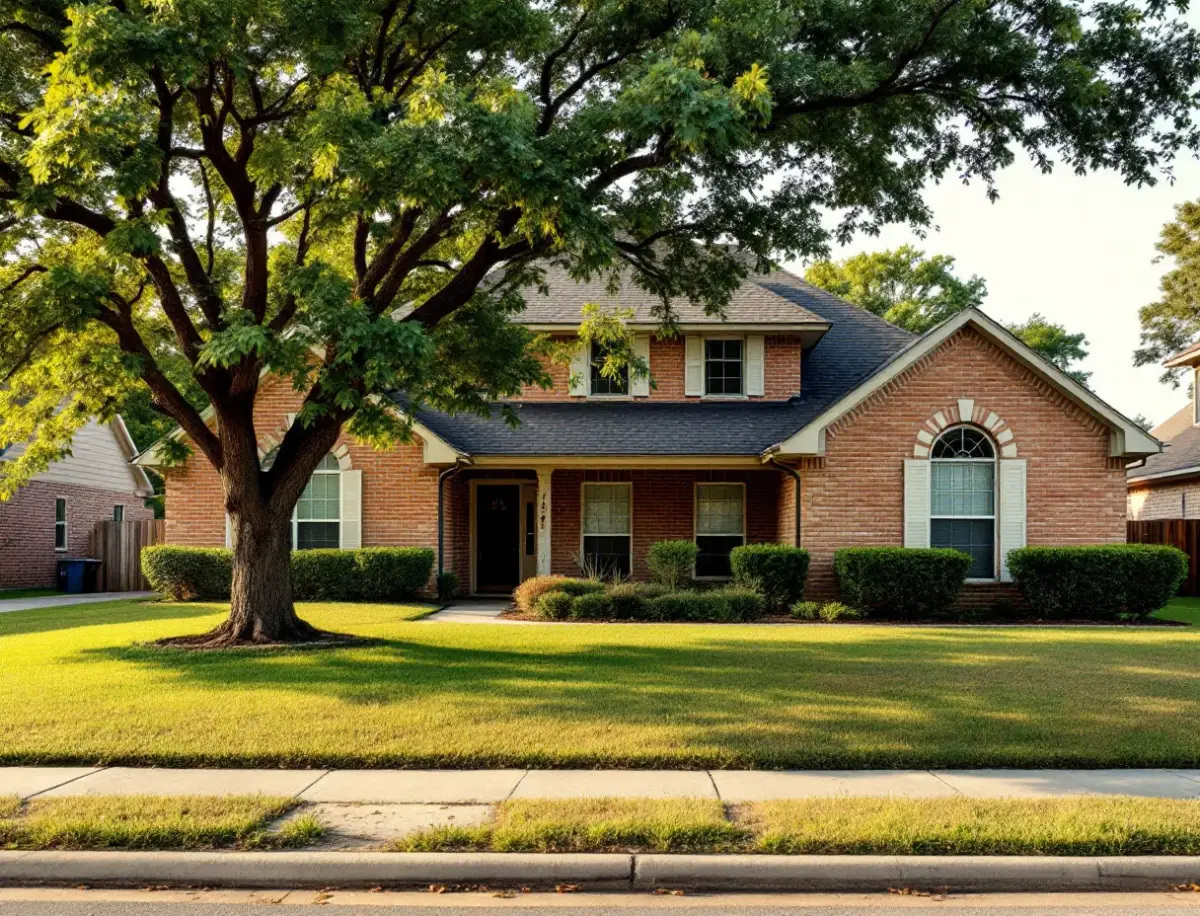
Liberty Hill
Small-town Texas meeting the master-planned wave — space, new homes, and a longer road home.