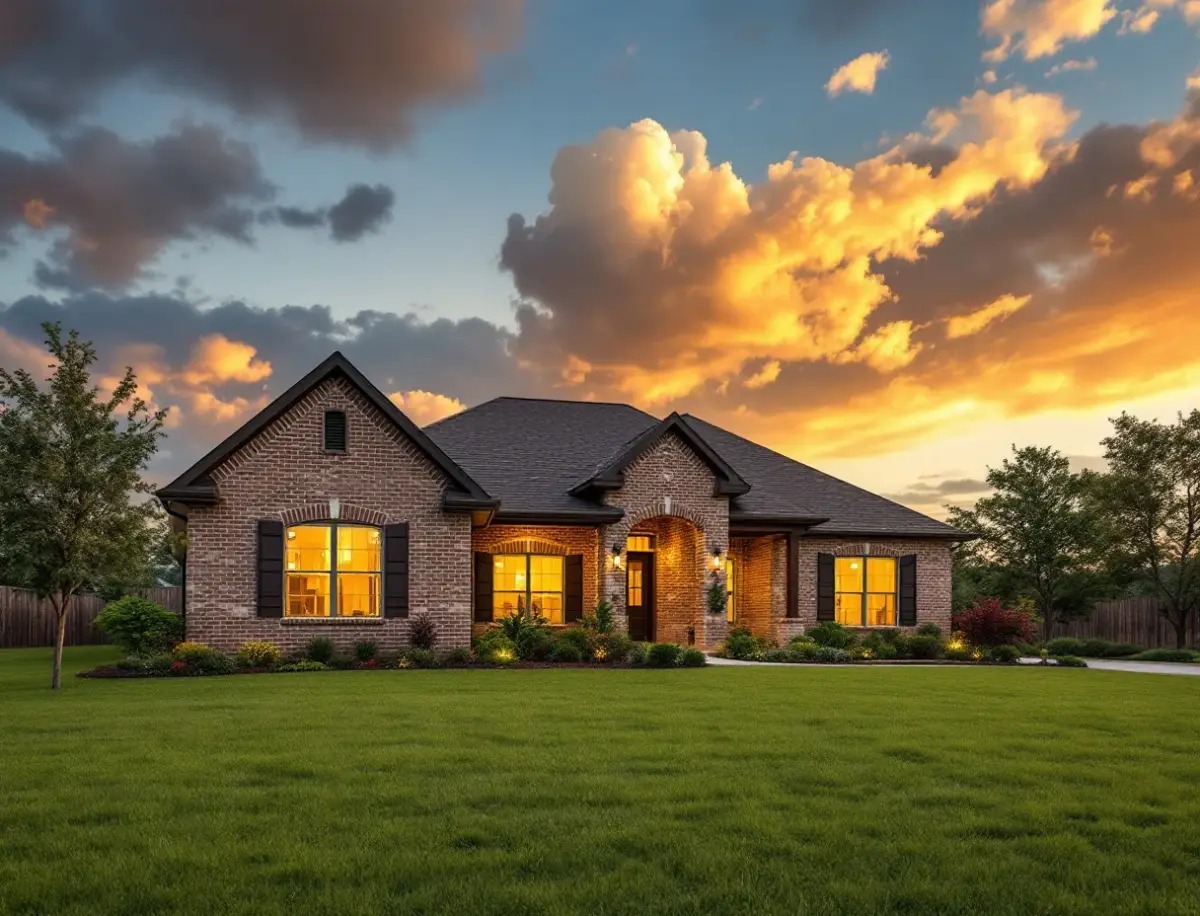
Field Guide · Nº 37
Hutto
The hippo town betting big — new rooftops, a Co-Op downtown, and Samsung fifteen minutes away.
← All neighborhood guides North & Northwest Suburbs · Updated July 2026
The feel of Hutto
Let’s start with the hippos, because Hutto does. The town’s mascot — born from a story about a circus hippo escaping near the depot in 1915 — is everywhere: concrete hippos in front of businesses, on porches, painted, costumed, hundreds of them scattered across town. It sounds like a gimmick until you visit and realize it’s the town’s connective tissue, a shared joke that makes one of the metro’s fastest-growing suburbs feel like a community rather than a subdivision cluster.
And it is fast-growing — routinely among the fastest in the region. Hutto sits northeast of Austin past Pflugerville and east of Round Rock, on blackland prairie where cotton fields are converting to master-planned communities at speed. The Co-Op district downtown — a redevelopment of the old farmers’ co-op, grain silos and all — anchors the town with restaurants, event space, and city hall, and it’s genuinely charming rather than developer-brochure charming.
Who it suits: first-time and value-focused buyers who want a new home without driving to the metro’s far edge for it, Samsung and east-side employment commuters, and people who like a town with a personality still forming. Who it doesn’t: daily downtown-Austin commuters, and buyers who need mature amenities today rather than in three years.
Schools
Hutto ISD serves nearly the entire city — a district that was small and rural fifteen years ago and is now building campuses as fast as bonds pass. Hutto High School (the Hippos, of course) anchors the district, with newer elementaries opening across the growth corridors. The honest picture: fast-growth districts deliver new facilities and energetic staff, but also boundary redraws, portable buildings during transitions, and programs that mature behind enrollment. Families comparing against Round Rock ISD next door should weigh established program depth against newer buildings and smaller-town scale. As with every fast-growth district, we treat current attendance zoning as a snapshot and verify with the district before you commit to a specific address for a specific school.
The commute
Hutto’s commute story changed when Samsung chose Taylor. The megafab site is roughly 15 minutes east on US-79 or FM 1660, which puts Hutto squarely in the residential catchment for the thousands of construction, operations, and supplier jobs ramping there. Round Rock’s employers (Dell and the medical corridor) are 15–25 minutes west. SH-130 runs along Hutto’s western edge, giving a fast tolled path south to Tesla’s gigafactory and the airport in about 30–40 minutes.
Downtown Austin is the weak leg: 35–50 minutes realistically, via US-79 to I-35 or SH-130 to 71/290, and worse when I-35 misbehaves — which is often. If your life points north and east, Hutto’s geography works beautifully. If it points to central Austin daily, be honest with yourself about the math.
Property taxes and MUDs
Nearly all of Hutto’s new-growth communities are financed through Municipal Utility Districts or PIDs, and rates matter here as much as anywhere in the metro. Effective rates in MUD communities commonly run 2.5–3.0%, versus low-2s in older in-city sections. On a $350K house that’s roughly $150–$250 a month of difference — real money at this price point, where buyers are usually payment-driven. Builder financing worksheets sometimes estimate taxes optimistically, and Star Ranch, Emory Crossing, and the newer communities each carry their own district structures. We pull the actual current rate and MUD debt profile for every home we write on.
What you’ll find
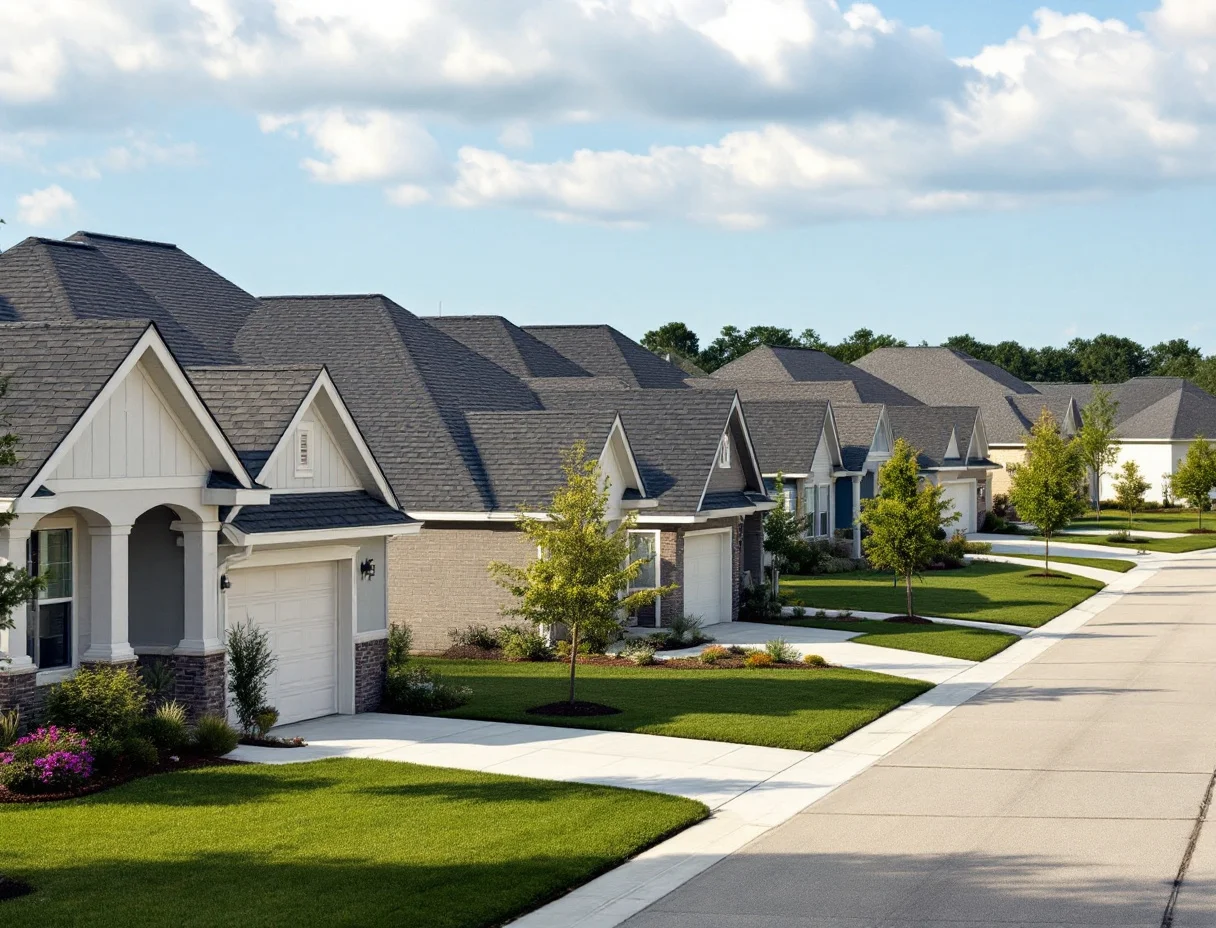
Hutto is overwhelmingly a new-and-nearly-new market: one-and-two-story production homes, 1,400–3,000 square feet, open plans, on 40- to 60-foot lots across the prairie. Star Ranch, the 1,000-acre master plan built around The Golf Club at Star Ranch, is the established flagship with 2000s-to-current homes. Emory Crossing, Cross Creek, Mager Meadows and a rotating cast of newer communities carry the current building wave, including townhome product starting in the upper $200s. Old-town Hutto near the depot offers a small stock of early-1900s cottages and mid-century homes with actual trees, for buyers who want the character without the MUD.
Per Redfin and Zillow public market data, mid-2026, the median runs around $340K, with a realistic band from the $280Ks (townhomes and entry plans) to $500K+ for larger golf-course and estate-lot homes — verify current, as builder incentives are actively moving effective prices.
New construction in Hutto
Hutto remains one of the most active building markets northeast of Austin. Star Ranch and Emory Crossing continue building out with names like David Weekley, Taylor Morrison, and Pacesetter, alongside D.R. Horton, Lennar, KB Home, and Chesmar across communities like Cross Creek and the US-79 corridor. With Samsung’s ramp in neighboring Taylor pulling demand east, builders are competing on incentives — rate buydowns, closing-cost help, design credits — and there’s more room to negotiate than list prices suggest.
This is where representation earns its value. Builder contracts are one-sided by design, MUD disclosures deserve a careful read, and incentives are negotiable in ways the sales office won’t volunteer. We review the contract, negotiate the whole package, and bring independent inspections at pre-drywall and final — because a new home should come with fewer surprises, not just newer finishes.
The local's list
What we tell clients after the paperwork's signedGreen space & trails
- Cottonwood Trail — the in-town creekside walk-and-bike spine linking neighborhoods to the ballfields and tennis courts
- Hutto Lake Park — a quiet pond for bank fishing and short walks, more herons than people most mornings
- The Golf Club at Star Ranch — public 18 holes on former ranchland along FM 685, the local golf default
Eat & drink
- Texan Cafe & Pie Shop — comfort-food plates and towering pies downtown since 1996; whole pies go home for holidays
- Southside Market & Barbeque — the storied Elgin sausage house's Co-Op district outpost under the silos
- Jack Allen's Kitchen — the Austin comfort-food name that chose the Co-Op district for its Hutto landing
Only-here bonuses
- The hippo hunt — hundreds of concrete hippos on porches and storefronts; spotting new ones is a running town game
- Olde Tyme Days — the October downtown festival, running more than 40 years, spilling through the Co-Op district
- Co-Op district calendar — markets, concerts, and city events under the restored grain silos most weekends
Building now in Hutto
Active new-construction communities
- Emory Crossing $260s (townhomes)–$400s+ Actively selling
- Star Ranch $250s–$400s (remaining new build; deep resale market beyond) Final phases
Pricing is builder-published ballpark, verified July 2026 — releases change fast. How we handle new construction →
See it in person
Walk Hutto with us
An hour on the ground tells you more than a week online. We'll show you the streets that fit your life — and tell you which ones don't.
Prefer to talk first? Call (512) 537-8623 or email contact@raresidential.com.
Keep exploring
If you like Hutto, also look at
Taylor
A historic railroad town with a $37B chip fab on its edge — charm and boomtown risk in one package.
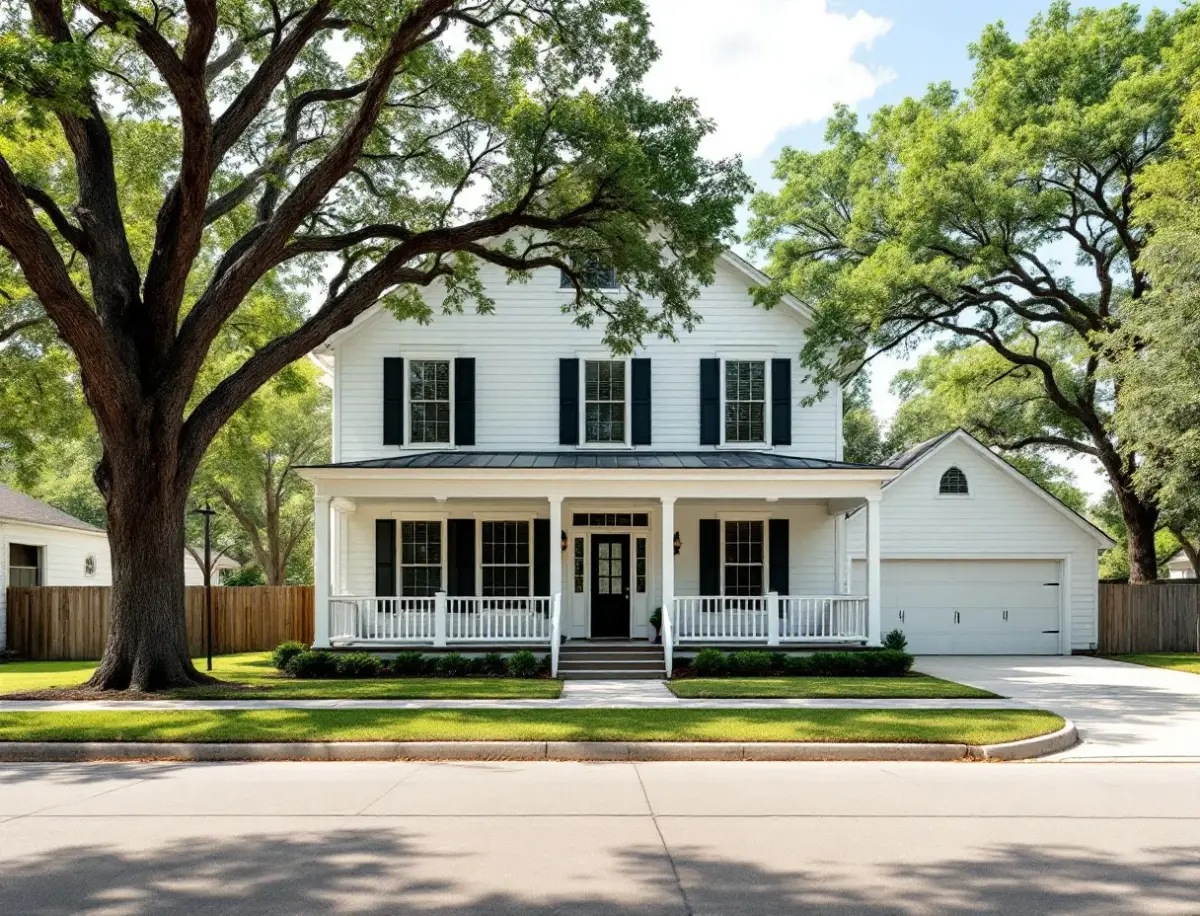
Round Rock
Dell's hometown grew into the north corridor's anchor — big-league schools, ballpark summers, and sensible prices.
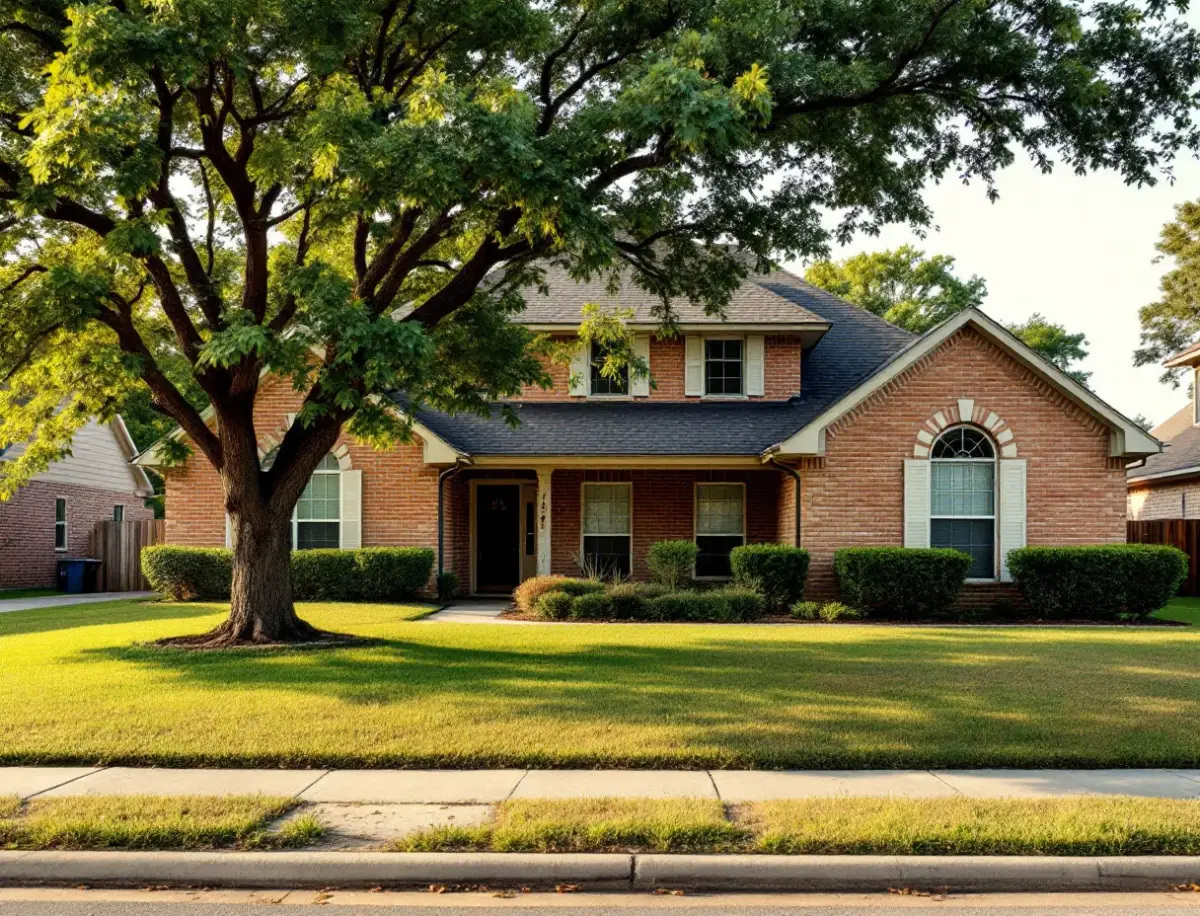
Pflugerville
The northeast value play — real amenities, honest prices, and a front-row seat to the Tesla-Samsung corridor.